Democracy and culture
Democracy and culture
The Forgotten Benjamin, A Luminous Biography
Whilst some might argue the opposite, studying both a scholar’s work and biography have unequivocally proved to be fruitful. In Walter Benjamin’s case, the two are inseparable. There is an intimate connection between his fragmentary method, his intellectual range and his tragic end. Yet, one relationship remained strangely underexposed. In his book, Walter Benjamin’s Ark: A Departure in Biography, John Schad, sets out to correct this omission by bringing into light Benjamin’s relationship with his son, Stefan.
2.06.2026

Democracy and culture
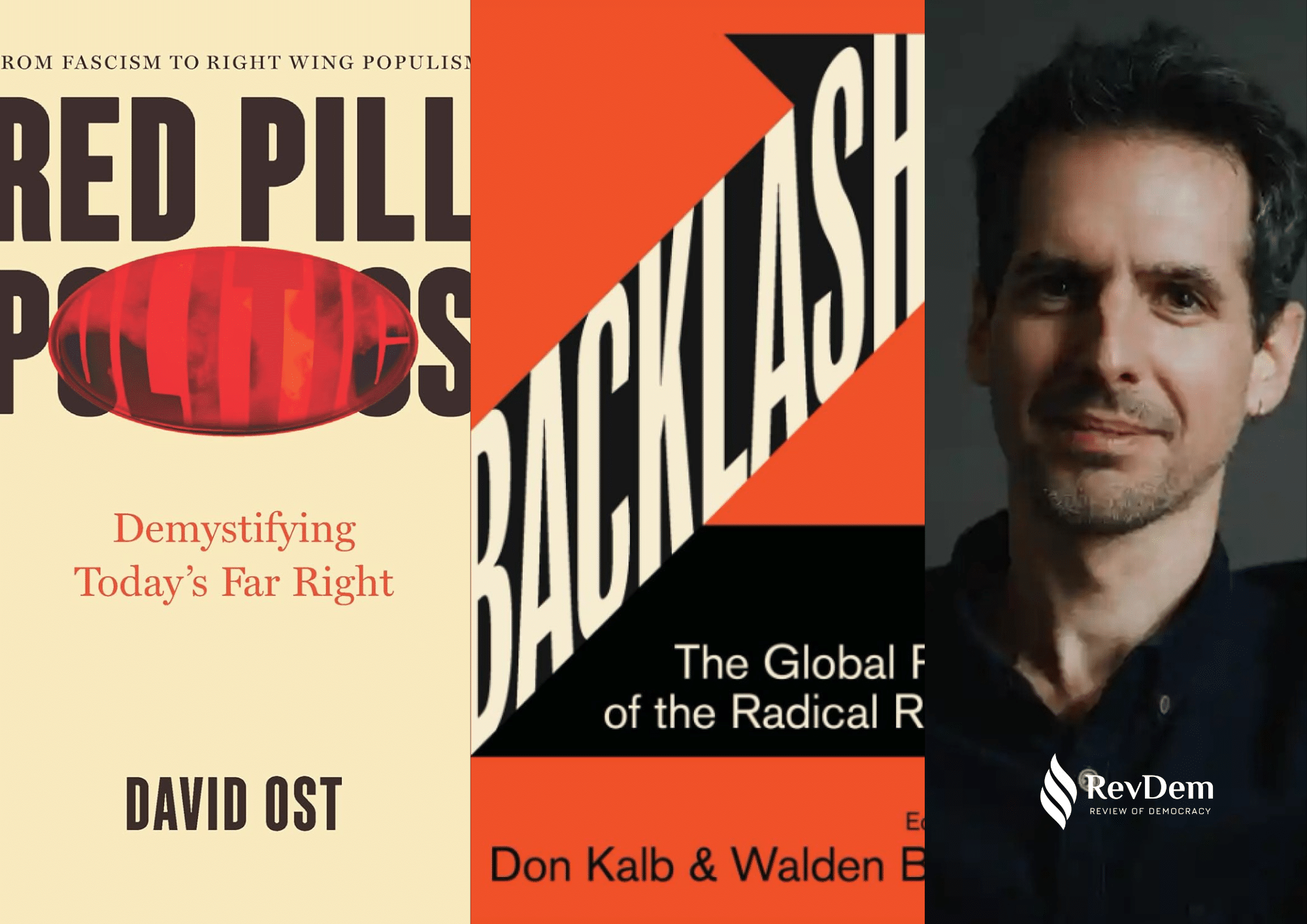
Beyond Populism: Two ways of Rethinking the Contemporary Right
Recent scholarship on the contemporary right has generated an abundant vocabulary: populism, authoritarianism, illiberalism, democratic backsliding. These terms capture real features, but often only one dimension at a time. “Populism” can flatten ideology into style or anti-elite performance; “authoritarianism” and “backsliding” can describe institutional effects without saying much about the wider social energies and historical processes that sustain them. What often drops out is the question of the right’s deeper political form, its social bases, and its conditions of possibility.
12.05.2026
Democracy and culture
Who Gets to Be European?
The word Europe has countless definitions. More often than not, most of them refer only to Western Europe. The book What is European? On Overcoming Colonial and Romantic Modes of Thought, published by Amsterdam University Press in 2025, analyzes how this conception became the canonical and accepted one, despite being far from the truth.
8.05.2026

Democracy and culture
After Nations: The Making and Unmaking of a World Order
After Nations by Rana Dasgupta traces the rise and unraveling of the global nation-state system, exploring why American hegemony is declining, liberal institutions are losing credibility, and autocracies are on the rise. Dasgupta moves from the fall of ancient empires through the spread of European law and money to the emergence of tech giants and the restoration of Chinese power. Ultimately, he argues for a new conception of citizenship, law, and economy suited to our globalized and ecologically fragile world. Speakers: Rana Dasgupta is a British writer born in Canterbury who has lived in the US, India, and France. He is the author of Tokyo Cancelled (2005), the Commonwealth Prize-winning novel Solo (2009), and the acclaimed nonfiction work, Capital: The Eruption of Delhi (2014). His latest book, After Nations: The Making and Unmaking of a World Order (2025) won the Windham-Campbell Prize for Nonfiction in 2025. This book examines the [...]
20.04.2026

Democracy and culture
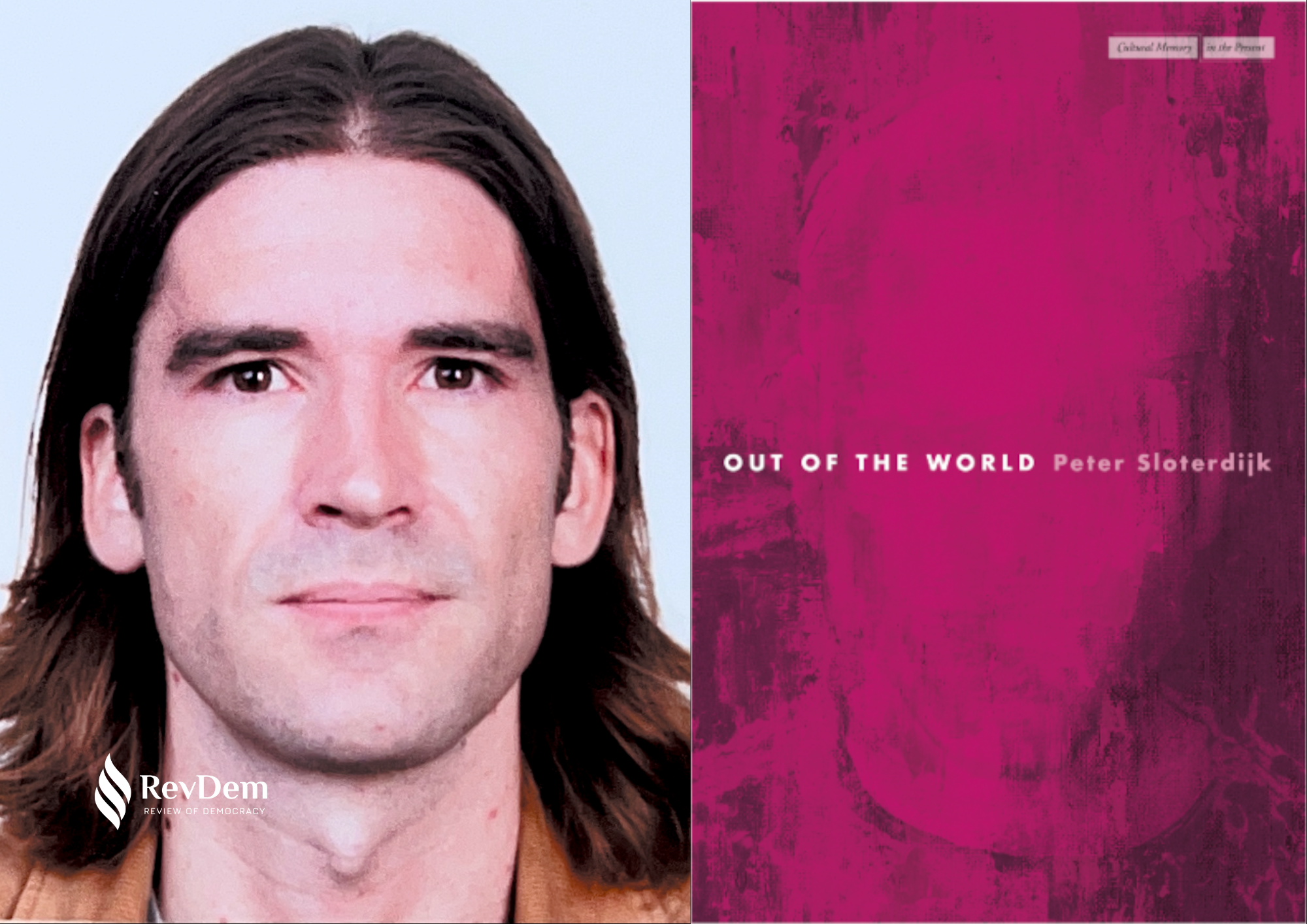
Revisiting Sloterdijk’s Out of the World: Freedom in an Age of Withdrawal?
In this light, we can grasp the core of Sloterdijk’s philosophical anthropology, which is that humans increasingly live “out of the world”, giving rise to a sort of existential malaise. This is a sickness different from that identified by modern philosophers in the vein of Kant, with their incessant emphasis on freedom as autonomy.
1.04.2026
Democracy and culture
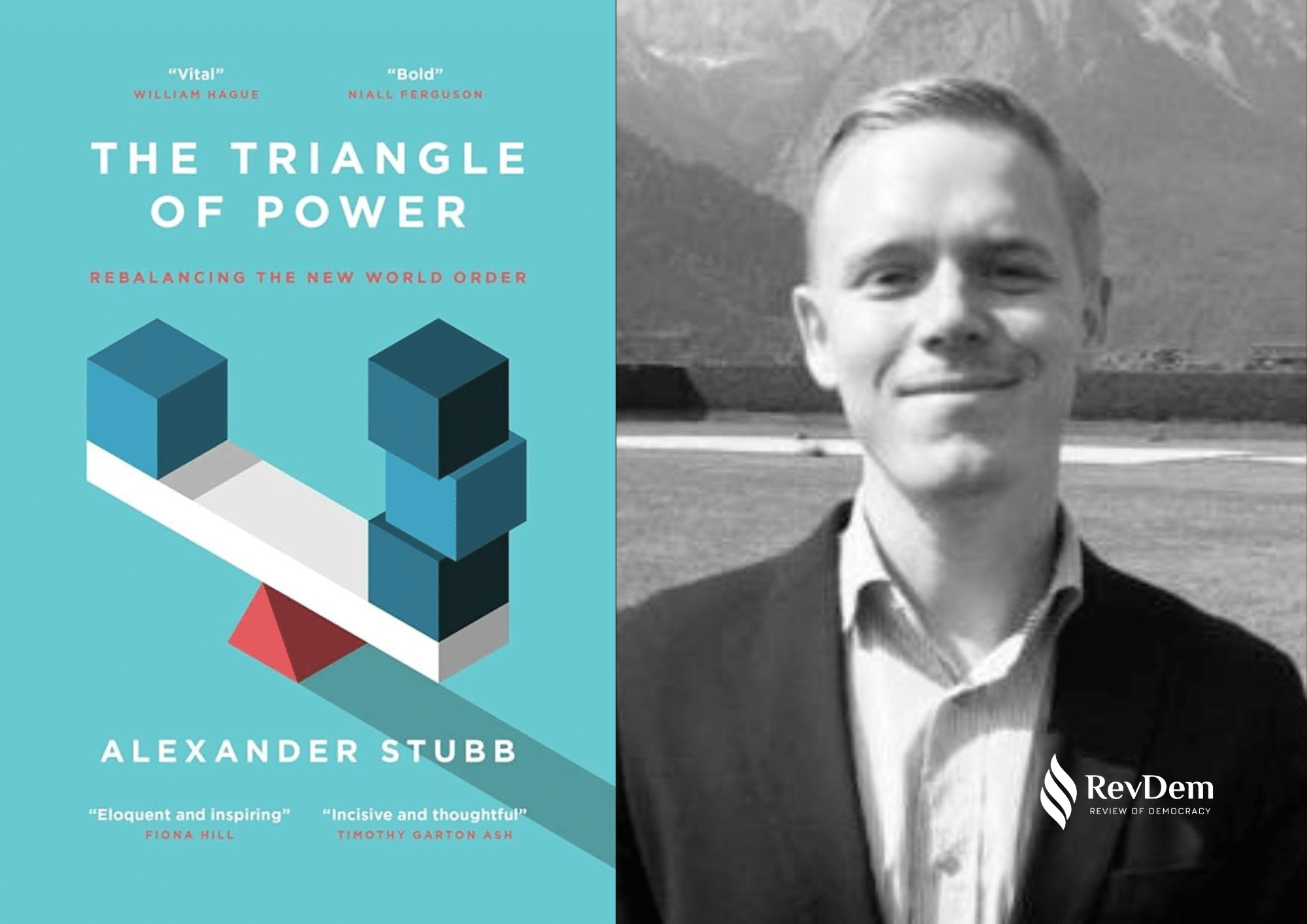
Values-based Realism and Rebalancing Power in Three Points
The title The Triangle of Power: Rebalancing the New World Order captures Finnish president Alexander Stubb’s view of the current balance of power in international politics, and how to navigate in the increasingly disorderly political landscape. The book examines how the post-1945 order came to its end and offers a proposal, which Stubb calls ‘’values-based realism’’, for restoring legitimacy to the principles that once upheld this order.
18.03.2026
Democracy and culture
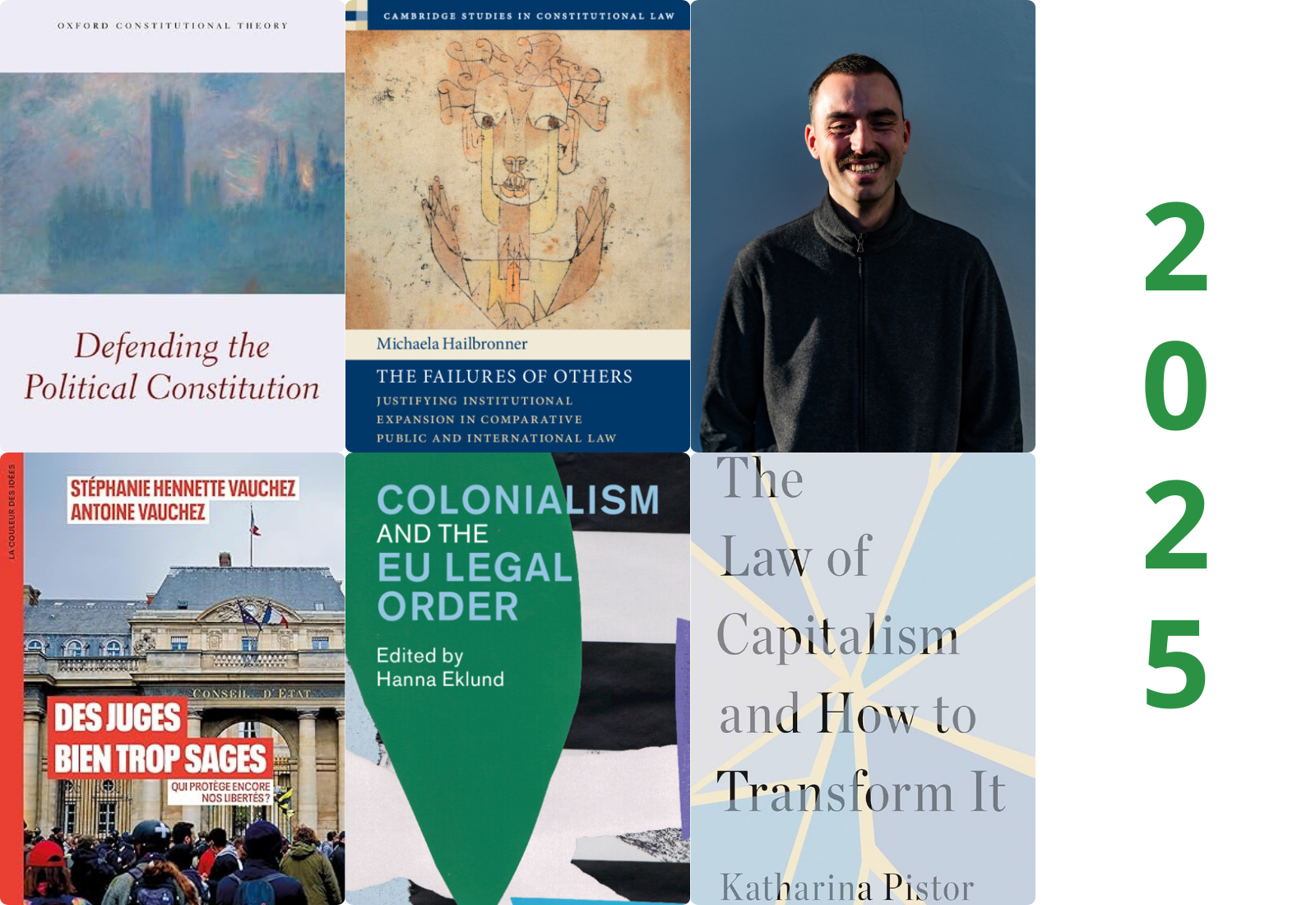
Five Books on the Rule of Law from 2025 & 2026
This selection of books attempts to present recent arguments about the role that law and courts can play, both in posing challenges to democracy and in entrenching inequality, but also in their transformative potential to address democratic problems, protect people's rights, and enable a more equal world.
17.03.2026
Democracy and culture
Fundamentally Fiction? Women, Deradicalization, and Narrative
What’s the appropriate punishment for ISIS brides who didn’t commit any violent crimes? Ishita Prasher reviews Nussaibah Younis’ Fundamentally (Penguin Random House, 2025).
10.03.2026

Democracy and culture
School Suspensions, a Legacy of Racial Injustice
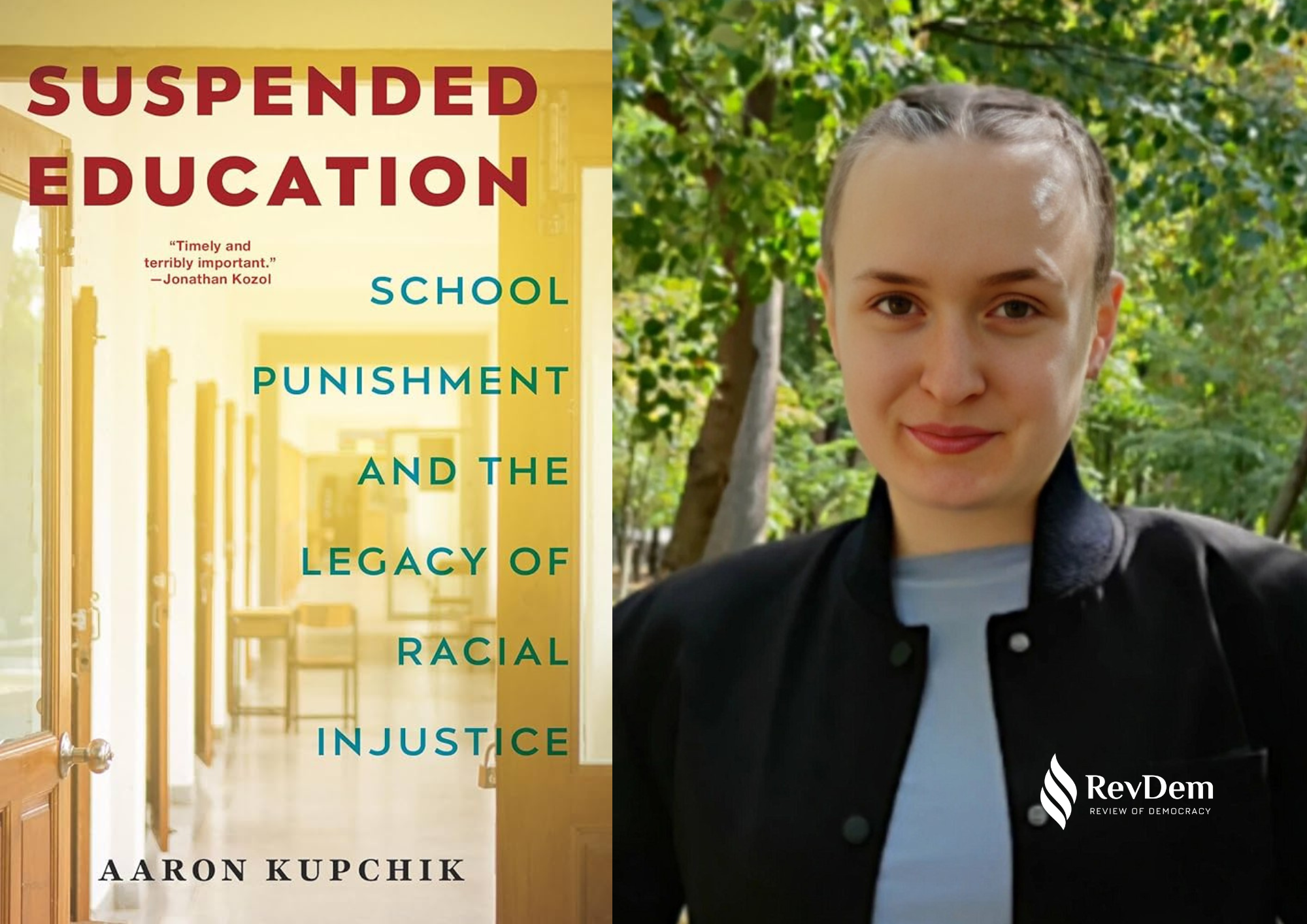
In the United States, school suspensions are more than a tool for managing behavior. Often justified in the name of order, the effect goes far beyond discipline. Far from being a neutral response, suspension produces a mechanism of exclusion. In Suspended Education: School Punishment and the Legacy of Racial Injustice, Aaron Kupchik examines how suspensions shape a system of racial inequality, transforming schools from spaces of development into institutions of control.
4.03.2026
Democracy and culture
Is the Alt-Right Secretly Neoliberal? The Paradoxical Legacies of Hayek and Mises
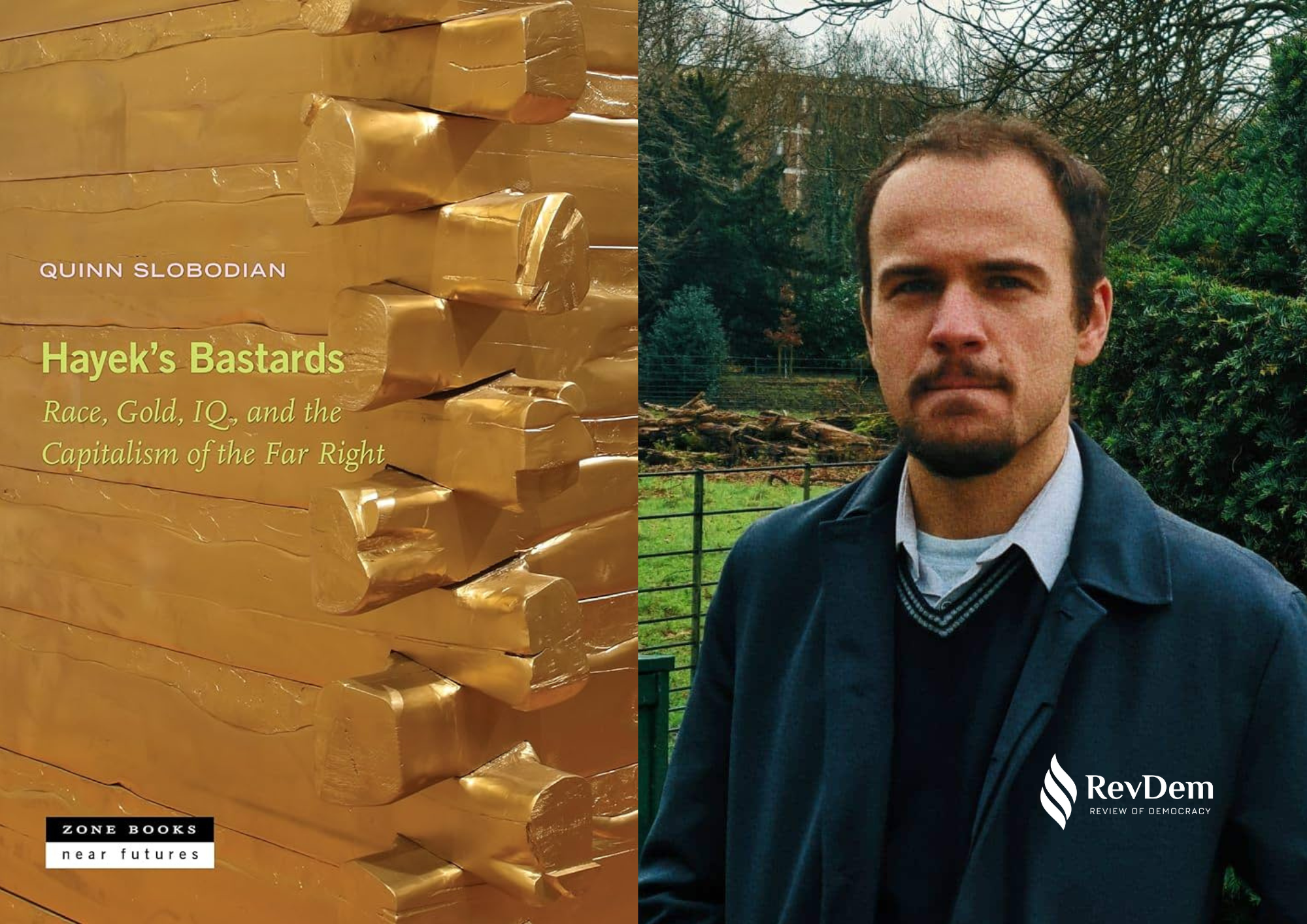
The contemporary far-right positions itself as an opponent of the “globalist elites”, who are promoting the neoliberal world order by promising the return to national sovereignty and traditional social values. This is precisely the claim that Quinn Slobodian wishes to deconstruct in his new book, Hayek’s Bastards. Race, Gold, IQ, and the Capitalism of the Far Right. Published by Zone Books in 2025, the volume is an intellectual genealogy of the neoliberal and libertarian roots of modern alt-right movements.
24.02.2026
Democracy and culture
The Politics of Inner Life
In her book, The coming of bad days, Sarah Bernstein presents the anxieties of the individual in search of meaning, truth, contentment and liberation through a gracefully crafted feminine perspective. Circumstantial, subjective, overwhelming, the book provides much food for thought and a true opportunity for exploration and relatability.
17.02.2026

Democracy and culture
The Polish Economic Miracle? A Review of Good Change and Poland’s Illiberal Turn
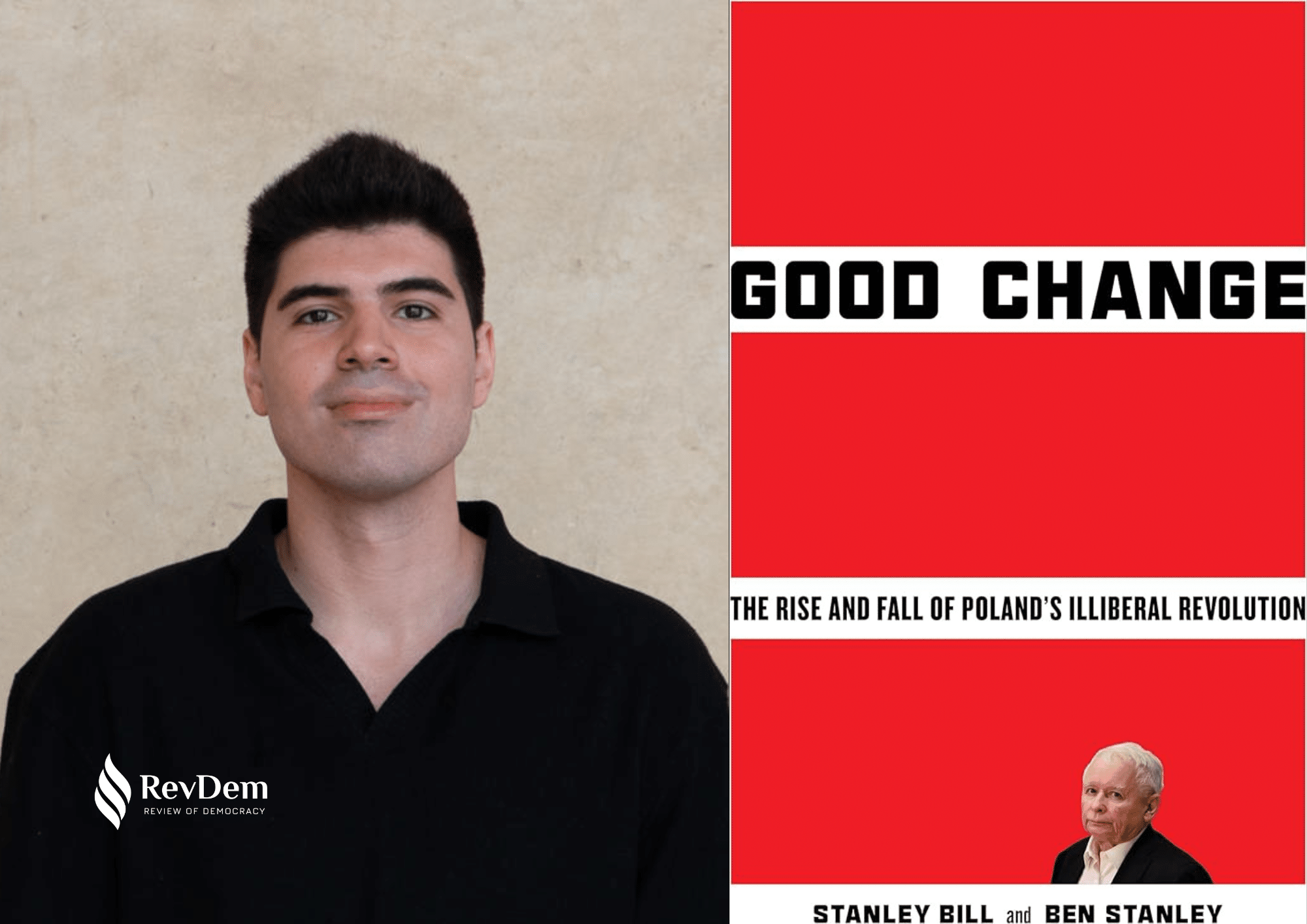
Poland's post-socialist economic transformation has long been celebrated as a free-market success story. In Good Change: The Rise and Fall of Poland's Illiberal Revolution, Stanley Bill and Ben Stanley complicate this narrative by tracing how the uneven distribution of Poland's prosperity created the opening for Law and Justice (PiS) to build a credible redistributive program: one that proved both electorally decisive and socially transformative. Kutup Aytekin's review highlights how the book places economic policymaking at the center of PiS's trajectory: its welfare agenda helped the party consolidate power, yet ultimately the liberal opposition's adoption of that same redistributive consensus contributed to PiS's downfall.
12.02.2026
Democracy and culture
Did George Eliot Read Darwin? The Relationship between Darwinism and Novel Development in the 19th Century
“Coming into the world without form, unbound to a special task or function, man takes on all forms and functions, fills the world and consumes it, making his own nature and making nature his own”, Ian Duncan writes in the introduction of his most recent book, Human Forms. The Novel in the Age of Evolution (9), an interdisciplinary analysis of the interaction between evolutionary theories and the development of the novel in the 19th century. The author, Professor and Florence Green Bixby Chair in English at the University of California, Berkeley, creates a simultaneously vast and detailed picture of how the debates on human nature led up to Darwin’s theory of evolution.
23.01.2026

Democracy and culture
Five Books I Reviewed in 2025 — And What They Tell Us About Democracy in Latin America
Taken together, these five books reveal a coherent picture of democracy in Latin America in 2025. Smulovitz and Botero show us the arenas: law and courts as central sites of political struggle. Payne, Zulver, Escoffier, Borges, Lloyd, and Vommaro identify the actors: anti-rights coalitions and a reconfigured right that competes for power within and against democratic institutions. Caldeira Neto exposes the dangerous edge of this process, where democratic conflict tips into neofascist mobilization.
20.01.2026

Democracy and culture
Ways to Define Art in East-Central Europe
Defining contemporary art in East-Central Europe is not an easy task. In this sense, Plural and Multiple Geographies of Modern and Contemporary Art in East-Central Europe attempts to address this challenge: it proposes a shift in the mapping and placement of art in East-Central Europe by acknowledging the multiplicity of geographies that characterize this region and continue to evolve. The editors of the volume thought of it as a “shift from the tendency to narrativize the map and name its elements, toward mapping understood as the practice of occupying the place”
16.01.2026

Democracy and culture
Five Publications on Political Economy Themes in 2025
This year's selection prioritizes breadth and balance. The five books span distinct thematic concerns—extractivism and the green transition, the decolonization of economic thought, the contemporary polycrisis, African economic sovereignty and industrialization, and housing financialization—ensuring that no single issue dominates. Disciplinary perspectives range from political science to economics, sociology, development studies, and comparative political economy, offering readers multiple methodological lenses on the current conjuncture
14.01.2026

Democracy and culture
Five Books on Democracy and Culture in 2025
In 2025, our book coverage aimed to explain the long historical processes behind today’s anxieties: environmental breakdown, wars, revolutions and democratic backsliding. These books revisit settled historical narratives and brought into sight systemic invisibilities. They show how crises rarely arrive unannounced. Instead, they accumulate quietly, sustained by myths and convenient misunderstandings.
7.01.2026

Democracy and culture
Five Ideas Books in 2025
The five titles below are a snapshot of the works we covered in the History of Ideas section at RevDem over the past year. They share a common ambition: to reopen settled stories about democracy, political thought, and crisis by recovering neglected traditions, reframing canonical figures, and widening the conceptual and geographical horizons of our disciplines. Rather than offering neat solutions, each invites us to rethink what democracy and politics have been, and what they still might become.
6.01.2026

Democracy and culture
Is Education Always a Form of Dominance?
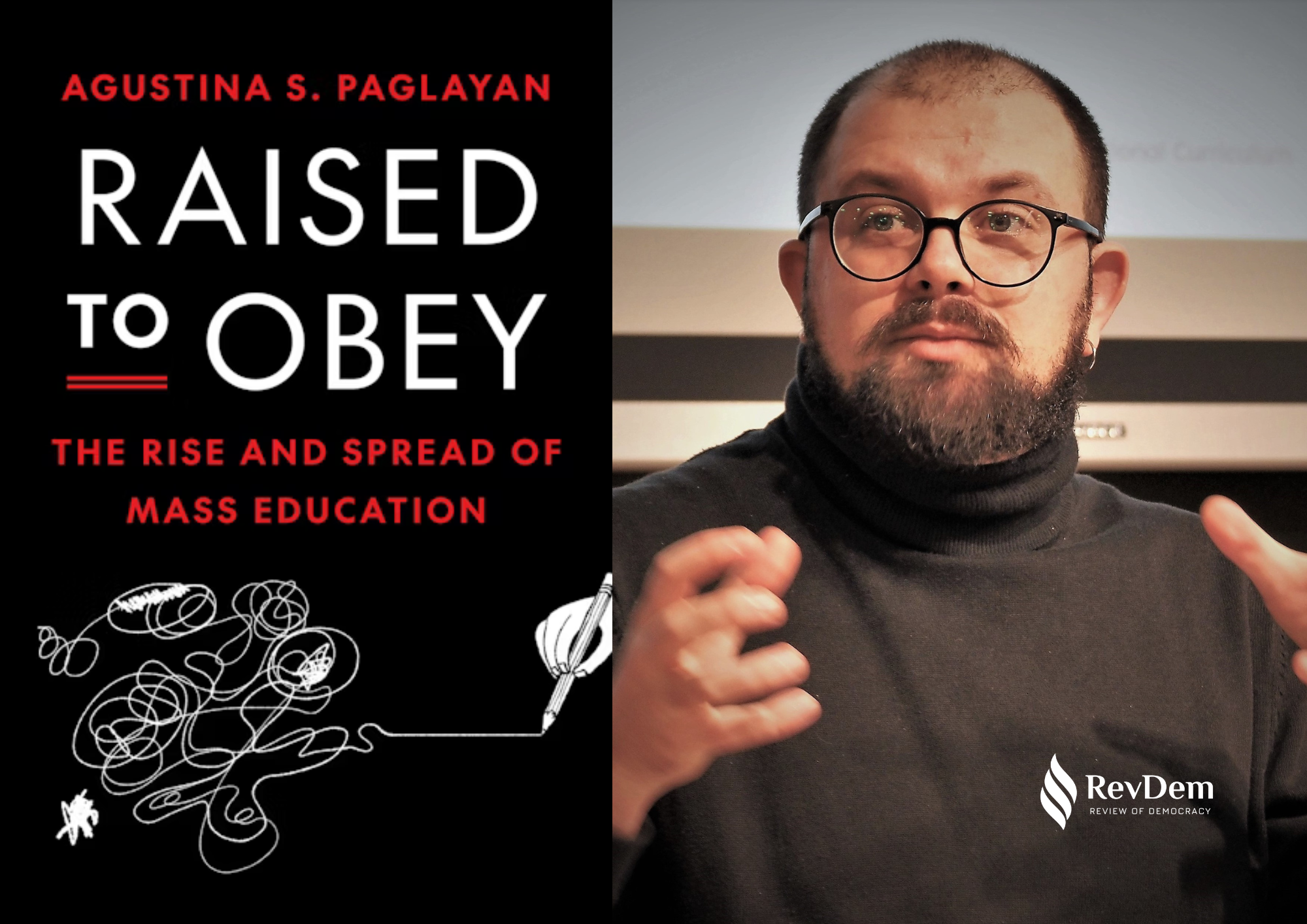
The state’s intervention in education is rarely an innocent enterprise. Some approaches have an optimistic undertone: they favor the provision of mass education as a policy tool to improve the skills of the population. The reasons that led to the development of primary education, in this regard, are democratization, industrialization and military rivalry. Other intellectuals are more suspicious about the altruistic premise of mass education.
21.11.2025
Democracy and culture
Never Waste a Good (Constitutional) Crisis
The saying goes that you should ‘never waste a good crisis’. The greatest crisis is certainly a constitutional one, and therefore the greatest opportunity. The eighteenth and nineteenth centuries were pivotal in the United States of America, as the country expanded in geography and population, leading to multiple state-level and national constitutional crises. Marcus Alexander Gadson’s latest publication Sedition unpacks these frequent crises, their underlying dynamics and the elite groups seizing opportunities for personal gain, with repercussions for modern-day politics.
2.10.2025

Democracy and culture
A Polyphonic Chant?
In a world convoluted by a pandemic, questions of grief, identity, and resilience have taken on a polyphonic song, dedicated to women navigating the layered injustices of gender, race, and cultural alienation. Dream Count, Chimamanda Ngozi Adichie’s lockdown memoir hums an existential question just right at the beginning in the opening sentence: “I have always longed to be known, truly known, by another human being” (3), which unveils the subtle theme of the novel: the disconnection between humans as an ontological flaw. Therefore, one could argue that the polyphonic novel contributes to the diasporic estrangement phenomenon not only through grand proclamations of the souls searching for meaning in a solitary marathon but through the everyday rhythms of loss and love.
24.09.2025

Democracy and culture
When Do Courts Matter? The Rights Enforcement between Aspirations and Inequalities
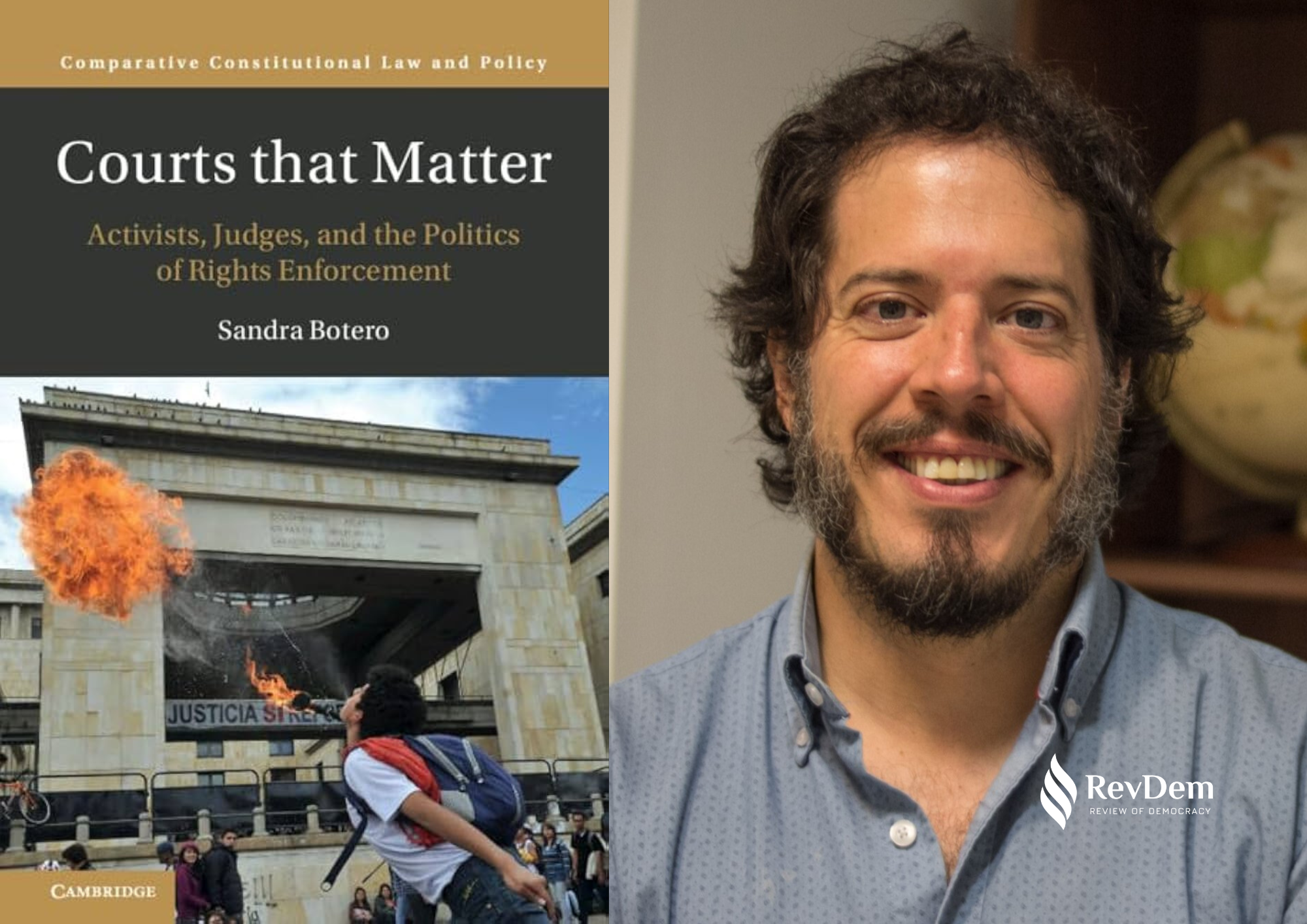
The fields of comparative constitutionalism and socio-legal politics will greatly benefit from political scientist Sandra Botero’s Courts That Matter. At its core lies a question that has long haunted scholars, practitioners, and activists: can courts really advance socioeconomic rights, or are they condemned to issue aspirational decisions that fail to alter entrenched inequalities? Botero tackles this debate directly, weaving together rich empirical evidence from Argentina and Colombia with comparative insights from India.
16.09.2025
Democracy and culture
Of Grand Designs and Ever Closer Unions: The Unfinished History of European Integration
„Le nationalisme, c’est la guerre”. These words, famously uttered by François Mitterrand in his address to the European Parliament from 1995, are invoked by Frans Timmermans, the former Vice-President of the European Commission, in the foreword to The Unfinished History of European Integration (7). At a time of “the end of history,” when calls for strengthening Europe’s unity and strategic autonomy as the only means of survival in an increasingly unstable world are met with nationalist backlash, studying the history of European integration – and drawing lessons from it – seems pertinent as ever.
9.09.2025

Democracy and culture
Politics of Legal Discovery in Argentina
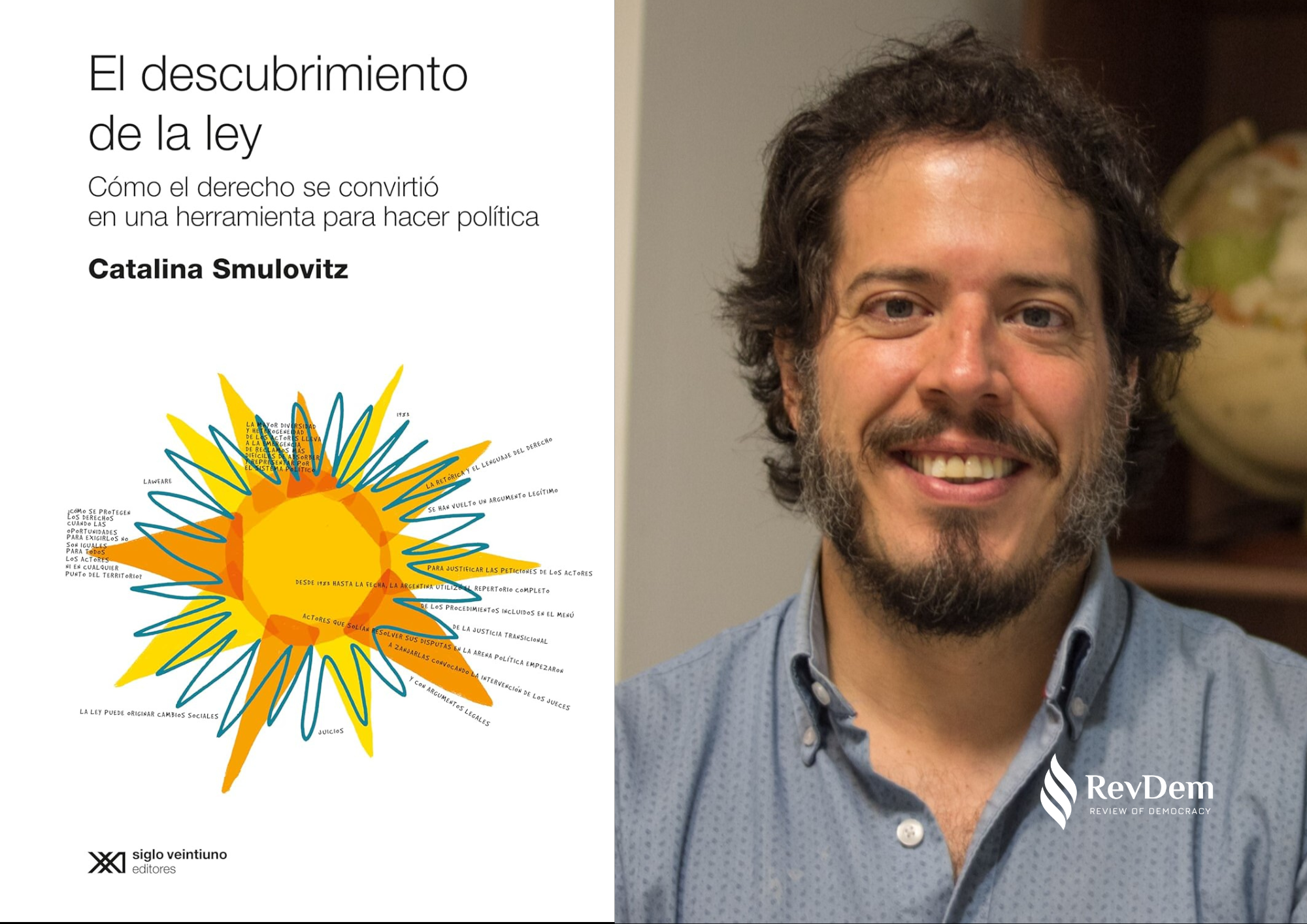
In El Descubrimiento De La Ley, the political scientist Catalina Smulovitz offers a sophisticated and timely account of how law has become a central instrument of political struggle in Argentina, with implications that extend across Latin America. As the author is one of the region’s most respected scholars of politics and law, which draws on decades of empirical observation and theoretical reflection, the result is a work that challenges readers to reconsider the place of law in democratic practice and illuminates how legal institutions can be mobilized for both accountability and power.
3.09.2025
Democracy and culture
Mapping Democracy: The Cartography of Secret Wealth in Twenty-First Century
Atossa Ataxia Abrahamian’s latest book, The Hidden Globe: How Wealth Hacks the World contributes to this shifting discourse, alerting us to the paradoxes of citizenship in the twenty-first century. With an exceptional cast of characters, geographies, and episodes, The Hidden Globe accomplishes a dizzying journey across the world, chronicling how this topic is conjured in mainstream spaces by engineering exceptionality.
27.08.2025

Democracy and culture
Is Experiential Learning Always the Solution? Eduardo Halfon’s Warnings on the Limits
Adrian Matus reviews Eduardo Halfon’s Tarentule, Quai Voltaire, Paris, 2024, 220p. (originally published in Spanish as Tarántula, Libros del Asteroide, 2024, 184 p.) Adrian Matus is an editor at the Review of Democracy. How should we engage young generations with the traumas of the twentieth century? Pedagogues were aware for decades, if not centuries, that traditional formal reading assignments often fail to convey the emotional gravity of historical events. In this context, experiential learning through re-enactments or simulations seems to be a relevant pedagogical alternative. Historians, museum practitioners, teachers, and non-formal educators use this approach to convey empathy and historical responsibility. Yet, the question that naturally arises is: are there any limitations of this approach? To what extent could experiential learning obscure the meaning of sensitive topics rather than reveal them? Eduardo Halfon’s Tarentule offers an unsettling answer to this [...]
13.06.2025

Democracy and culture
(Re)Making Romanian Germans on the move
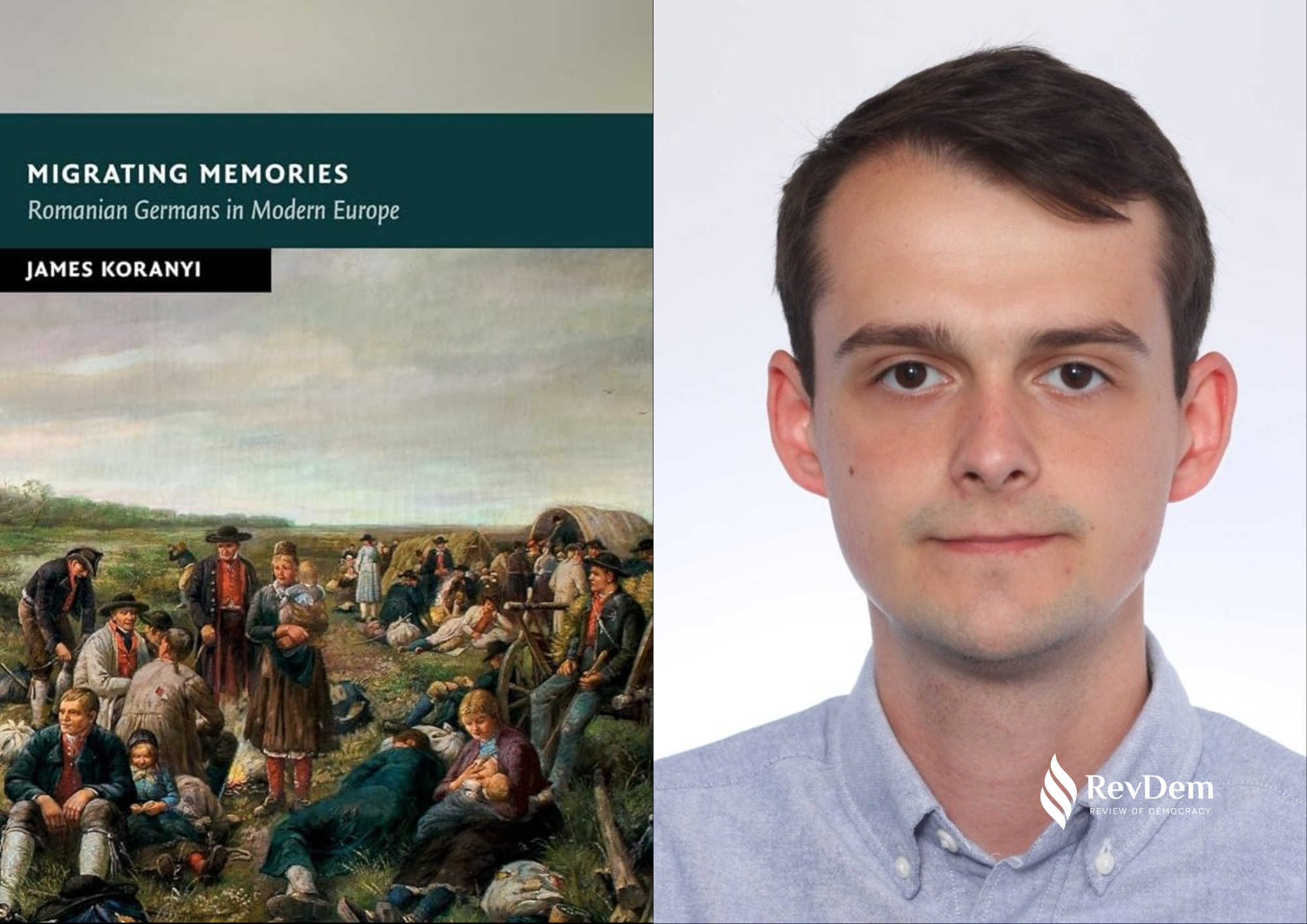
The history of the German minorities in Eastern Europe in the 20th century, especially after the Second World War, has been a central focus of historians in recent decades. Their works have generally covered the political history of German minorities between the two world wars, their relationship with National Socialism during the Second World War, and finally, the disappearance of the communities from the region.
6.06.2025
Democracy and culture
Citizen Marx: A Book Discussion with Bruno Leipold
This book discussion featured Citizen Marx, a groundbreaking book by Bruno Leipold that reinterprets Karl Marx’s political thought through the lens of republicanism. About the Book: Citizen Marx In Citizen Marx, Bruno Leipold challenges conventional interpretations of Karl Marx, presenting a compelling case that Marx’s thought was deeply shaped by republican ideals. Far from being anti-political, Marx envisioned democratic institutions as essential to overcoming the domination inherent in capitalist societies. Tracing Marx’s evolving relationship with republicanism—from early democratic activism, through critical rethinking during his communist transition, to his embrace of popular control after the Paris Commune—Leipold positions Marx as a theorist who placed democratic politics at the core of socialism. About the Author: Bruno Leipold is a political theorist and historian of political thought specialising in Karl Marx, the republican tradition, and theories of [...]
19.05.2025

Democracy and culture
Unfinished Revolutions: Decolonization and Democracy in a Globalizing World
The title of Martin Thomas’s The End of the Empire and the World Remade: A Global History of Decolonization signals the ambitious and unconventional nature of his now widely acclaimed project. From the outset, Thomas frames decolonization not simply as a linear dismantling of empires, but as a complex and often contradictory process—one that simultaneously disintegrated old hierarchies and gave rise to new, and sometimes equally exclusionary, national orders. His emphasis on decolonization as a reintegrative force highlights how the collapse of imperial structures often yielded unstable, improvised formations of authority and belonging.
2.05.2025

Democracy and culture
Theoretical Pluralism Meets Western Myopia: The Age of “Global” Populism
The re-election of Donald Trump in 2024 provides a clear answer to the question raised in Still the Age of Populism? Not only does the age of populism persist, but its influence on global politics appears stronger than ever. From Washington to Warsaw and Brasília to Budapest, populist leaders continue to reshape political landscapes. This edited volume takes up the challenge of understanding populism’s enduring appeal, bringing together an impressive array of scholars to advance our understanding of this complex phenomenon.
25.04.2025

Democracy and culture
Neofascism and the Far Right in Brazil
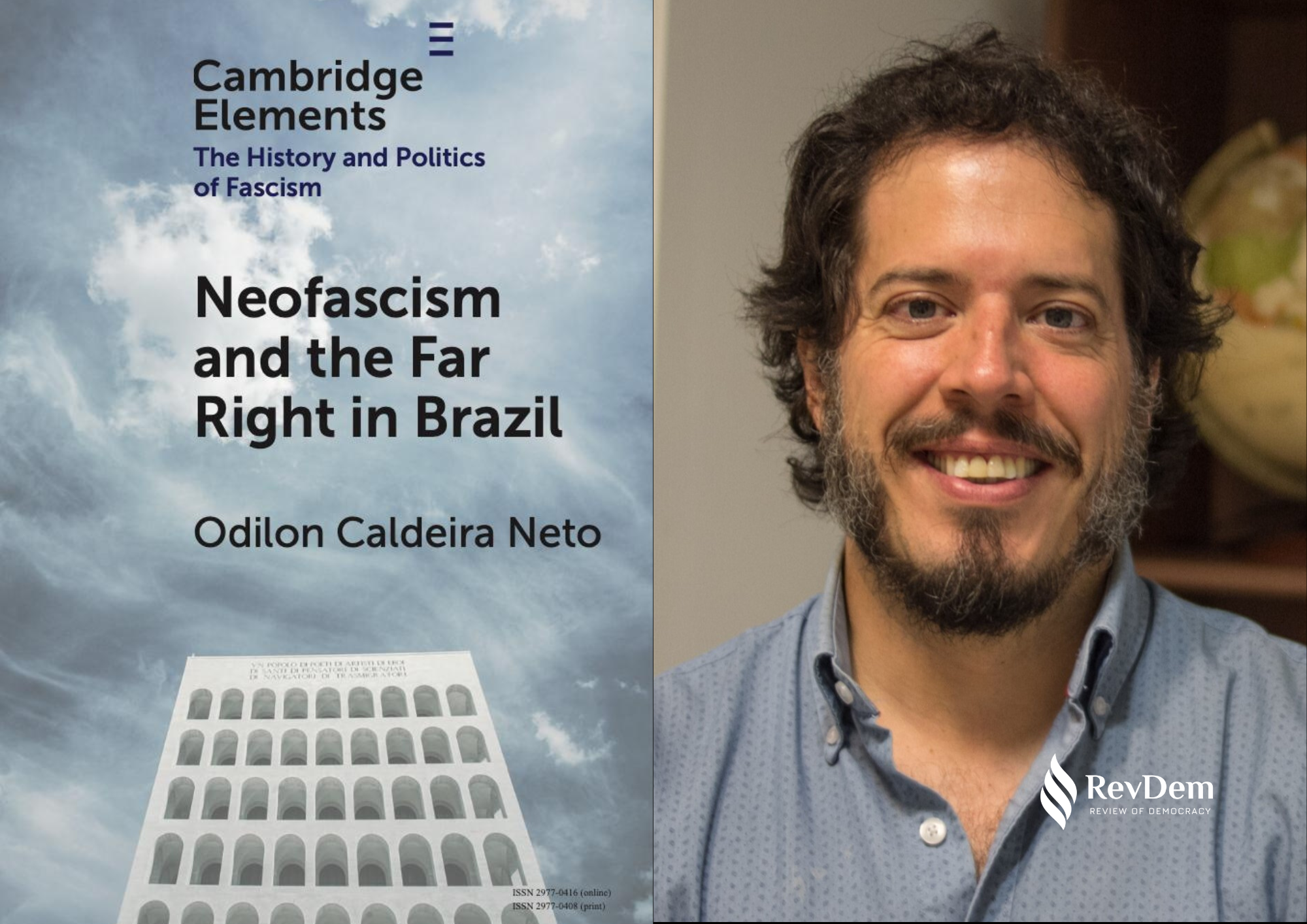
The resurgence of far-right ideologies across the globe has forced democracies to reckon with the continued appeal of authoritarian political cultures. In this context, Brazil has emerged as a crucial case for understanding the entrenchment of radical right-wing ideologies beyond the global north. Odilon Caldeira Neto’s “Neofascism and the Far Right in Brazil” intervenes in this debate by historicizing and contextualizing the evolution of Brazilian neofascism, tracing its roots, ruptures, and resurgence. Odilon Caldeira Neto is a historian at the Federal University of Juiz de Fora (Brazil), where he is a leading scholar on understanding the Brazilian far right. His authority in fascist studies, especially in the Latin American context, makes his analysis valuable for those interested in understanding current political developments in the region in general and Brazil in particular
17.04.2025
Democracy and culture
America’s Discontent with Democracy: What means patriotism in the 21st century?
There was a time when America's brightest minds worked hand in hand with the government to create world-changing technologies. DARPA and other agencies helped build the internet, GPS technology, search engines, and self-driving cars—the very foundation of Silicon Valley’s dominance. These innovations fueled economic prosperity and solidified the United States’ global standing.
11.04.2025

Democracy and culture
Bob Dylan’s Hagiography
Nine years after Bob Dylan received the Nobel Prize in Literature, the volume of literature dedicated to better understanding his life and work has grown exponentially. A certain and undeniable fascination for the emblematic American musician and writer haunted literary critics, historians, movie directors and journalists alike. At the same time, this editorial increase is not only intellectually stimulating but also a marketable commodity that always attracts a large public segment. The most recent example in this regard is James Mangold’s movie A Complete Unknown. In this context, Jeffrey Edward Green’s book Bob Dylan- Prophet Without A God seems to be determined by these two vectors: fascination and appeal to the public. Thus, it raises a crucial question: to what extent does this work offer a new perspective into Bob Dylan’s persona, or does it merely repack interesting ideas for a broader audience?
4.04.2025

Democracy and culture
“Lawyerization” of Universities in the USA – Louis H. Guard and Joyce P. Jacobsen on the ‘New Era of Higher Education’
Higher education has never been free from controversies, nor from political pressures. 2024 saw a renewed surge in public interest in how universities operate, as students and staff openly took positions on the Gaza war. Thus, alongside heated discussions about geopolitics, stakeholders and the broader public debated the role of universities and how to respond when they are perceived to fall short. In this context, some questions arise: What are the limits of academic freedom? What does it mean for a university to guarantee a space safe from discrimination? Who is to decide or act (and how?) on these issues? While the book All the Campus Lawyers is not a direct reply to these questions, it explores how regulatory scrutiny of higher education plays out in a democracy, intersecting with broader social and political issues – and hence emerges as a timely contribution to the discussions on the nature and future of higher education.
28.02.2025

Democracy and culture
Disinformation in Africa: A Distinct Landscape Compared to Global Trends?
Digital Disinformation in Africa is a book about how disinformation through digital tools is playing an increasing role on the African continent in distorting elections, inflaming internal conflicts and disrupting crucial policy debates across the continent on issues such as vaccination, gender and reproductive rights. This book is part of the Digital Africa series, which studies the effects of new technologies on the African continent. On one hand, these technologies have certainly facilitated the exercise of democratic rights and freedoms; on the other hand, they have been used by repressive regimes to restrict those rights.
14.02.2025

Democracy and culture
An Uneven “History of Ideas”? – David Runciman on Equality, Justice, and Revolution
David Runciman’s History of Ideas is a ‘foxy’ book, in several senses. First, it is foxy in the Berlinian sense, as it covers a broad selection of intellectual currents. In a 1953 essay, Isaiah Berlin famously addressed the question of monism and pluralism of values by contrasting the fox and the hedgehog from a fable by Archilochus. ‘Foxes’, historical examples of which include Aristotle and Shakespeare, know many things, while ‘hedgehogs’, such as Plato or Dante, know one big thing. Secondly, The History of Ideas is ‘foxy’ in advancing Isaiah Berlin’s core argument about value pluralism. Like Berlin’s fox, it eschews monolithic truths in favor of moderation in exploring the messy realities of political and social life.
21.01.2025

Democracy and culture
Five Books on the Rule of Law and Democracy from 2024 for 2025
The 21st century has already provided a quarter-century of tumult for democracy. The last year of these first 25 years has been no exception. Both the world’s largest and its most prominent democracy returned ‘strongmen’ leaders. By contrast in Central-Eastern Europe an anti-populist coalition toppled a traditionalist government. As War rages in Western Eurasia and the Northern Middle-East, signifying the collapse of deliberative ordering of human affairs, natural disasters push societies to their breaking point, regardless of the level of their development. The Rule of Law seeks to impose order upon such tumult, as democracy seeks to provide humans with the means to decide upon their own destiny. Here are five books on this phenomenon that have been covered by and informed the RevDem Rule of Law section in 2024.
16.01.2025

Democracy and culture
Five Books on Asian Political History in 2024
My shortlist of five remarkable books published in 2024 in the field of political history of Asia spans a range of disciplines. These works captivated me for their ability to document political histories from the ground up while offering profound insights into the transformations that lie ahead for the region. These books are more than historical accounts—they serve as mirrors reflecting the complexities of our tumultuous present and the uncertainties of our future. Most crucially, they illuminate narratives of resilience, reconciliation, and hope emerging from some of the world’s most violent and unstable regions, reminding us of the enduring human capacity to rebuild and reimagine.
15.01.2025

Democracy and culture
Five Ideas Books in 2024
Here come five recommendations from RevDem Ideas of books we covered in 2024 and which we think deserve to be widely read and discussed.
14.01.2025

Democracy and culture
Five Books on Democracy and Culture in 2024
Here are five book recommendations on democracy and culture themes published in 2024 that I found important and outstanding.
10.01.2025

Democracy and culture
Five Books on Populism in 2024
Here are five book recommendations on populism published in 2024, which I believe merit widespread attention and discussion.
9.01.2025

Democracy and culture
Five Publications on Political Economy Themes in 2024
Here come our five recommendations on political economy themes from 2024 that address and grapple in novel and highly suggestive ways with the most urgent questions of our time: How to save democracy from the grip of oligarchy? How to accelerate the ecological transition without destroying sustainable ways of living, and how can we overcome neocolonial geopolitical relations?
8.01.2025

Democracy and culture
Five Books on European Themes in 2024
Here come our five book recommendations on European themes from 2024 that dissect conceptions of democracy, consider original ways to protect it, analyze European integration and disintegration – and show the dark prehistory of the former.
7.01.2025
Democracy and culture
Redefining International Law: The Socialist Influence on Global Justice
Raluca Grosescu and Ned Richardson-Little’s new edited volume Socialism and International Law, published by Oxford University Press this year, challenges two dominant historical narratives of the development of international law: what we might call the orthodox view, which holds that Western liberal countries led the evolution of international law, as well as the opposing one that emphasizes the challenges of Third World post-colonial countries to Western hegemony. The book does so by explaining the role, contributions, and initiatives of socialist countries and socialist intellectuals in developing international law. Socialist states made important contributions in several relevant areas, such as defining the crime of aggression, supporting national self-determination as part of a sustained campaign seeking to dismantle colonialism, and advocating for the criminalization of racial discrimination and apartheid.
12.12.2024

Democracy and culture
Against Presentism: Post-National Constitutionalism as a Critical-Emancipatory Project
The book Postnational Constitutionalism: Europe and the Time of Law is a novelty for those who eagerly look for creative approaches to the quandary of constitutionalism beyond the State. According to Paul Linden-Retek, post-national constitutionalism is a critical-emancipatory project, consisting of a re-imagination of identity and self-authorship over time. For this to happen, constitutional open-endedness is necessary, particularly in the case of the European Union (EU).
29.11.2024

Democracy and culture
Beyond the Statistics: Against the Concept of Bare Life in Cinema and Graphic Novels
The journeys of African migrants striving to reach Europe by crossing the Mediterranean Sea have dominated the headlines for more than a decade. On one hand, the nationalist and right-wing populists, such as Meloni’s government, have exploited this tragedy to create anxieties about immigration, while humanitarian groups have blamed economic failures and human rights abuses as key factors resulting in the deaths of thousands. In this heated debate between populists and human rights activists, cultural products aim to humanize the migrant experience. Matteo Garrone’s movie Io Capitano (2023) as well as Eoin Colfer, Andrew Donkin’s graphic novel Illegal (2017), illustrated by Giovanni Rigano, tackle the tragedy of young teenagers seeking a better future in Europe, particularly in Italy, by riskily crossing both the Sahara Desert and the Mediterranean Dea. One of the primary aims of both cultural products is to go beyond the mere statistics. When interviewed by E. Nina Rothe in [...]
21.11.2024

Democracy and culture
Tyranny of the Minority – How Institutional Shortcomings Threaten American Democracy
Molly Shewan reviews Daniel Ziblatt and Steven Levitsky’s Tyranny of the Minority: How to Reverse an Authoritarian Turn and Forge a Democracy for All (New York: Crown Publishing Group, 2023), 316 pgs. This review was written in advance of the 2024 US presidential election; its analysis and conclusions reflect this context.
14.11.2024

Democracy and culture
Downscaling by Upscaling – Timothy Shenk on the Center Left in Our Times
Left Adrift is a short, propulsively written book that tackles large arguments. The research that ultimately led to its publication began with a rather narrow question: How did Bill Clinton become president, anyway? Timothy Shenk grounds his learned and often entertaining response in intriguing characters who sought to explain the breakdown of the old Democratic majority forged via the New Deal – and to plan the next one. He contextualizes these efforts broadly, drawing on a host of "hard facts." The resulting book offers a series of original, insightful vignettes and engaging reflections on the battle over the future of the Democratic coalition in the U.S. and comparable parties across the globe.
25.10.2024

Democracy and culture
A Fight within the Law – Benjamin Nathans on the Fight for the Rule of Law inside Soviet Dissident Circles
How did the dissident circles from the Soviet Union develop into a concrete movement that first aimed to set limits on the Soviet state and then to challenge it? This pungent question has stirred academic debates virtually from the moment dissident movements emerged, debates which increased exponentially after the fall of Soviet regimes. By now, the scholarly canon on Soviet-era dissent is vast and it stretches from analysing the role of dissident movements in shaping public discourse and public memory, as Barbara Martin’s 2021 book Dissident Histories in the Soviet Union does, to proposing new frameworks within the post-revisionist context to understand this phenomenon (such as Alexei Yurchak does in his 2006 work Everything Was Forever Until Was No More) or even more recent developments that focus on less visible cases, such as hippies, as with Juliane Fürst’s 2020 book Flowers through Concrete. Yet, some topics have remained unclarified up to this day.
18.10.2024

Democracy and culture
The Failure of the post-Cold War Order – Andreas Rödder on Western Hubris, Russian Imperialism, and the Road Not Taken
Andreas Rödder’s new book, Der verlorene Frieden (The Lost Peace), addresses a vexing, much-debated question: why have the hopes raised at the end of the Cold War been so gravely disappointed? Why have those hopes been replaced by the threats of today’s “tendentially bipolar” (Eurasian autocrats versus the Western alliance) but also highly unpredictable and dangerous world? To offer a substantial response, Rödder approaches international relations from a historical perspective.
16.09.2024

Democracy and culture
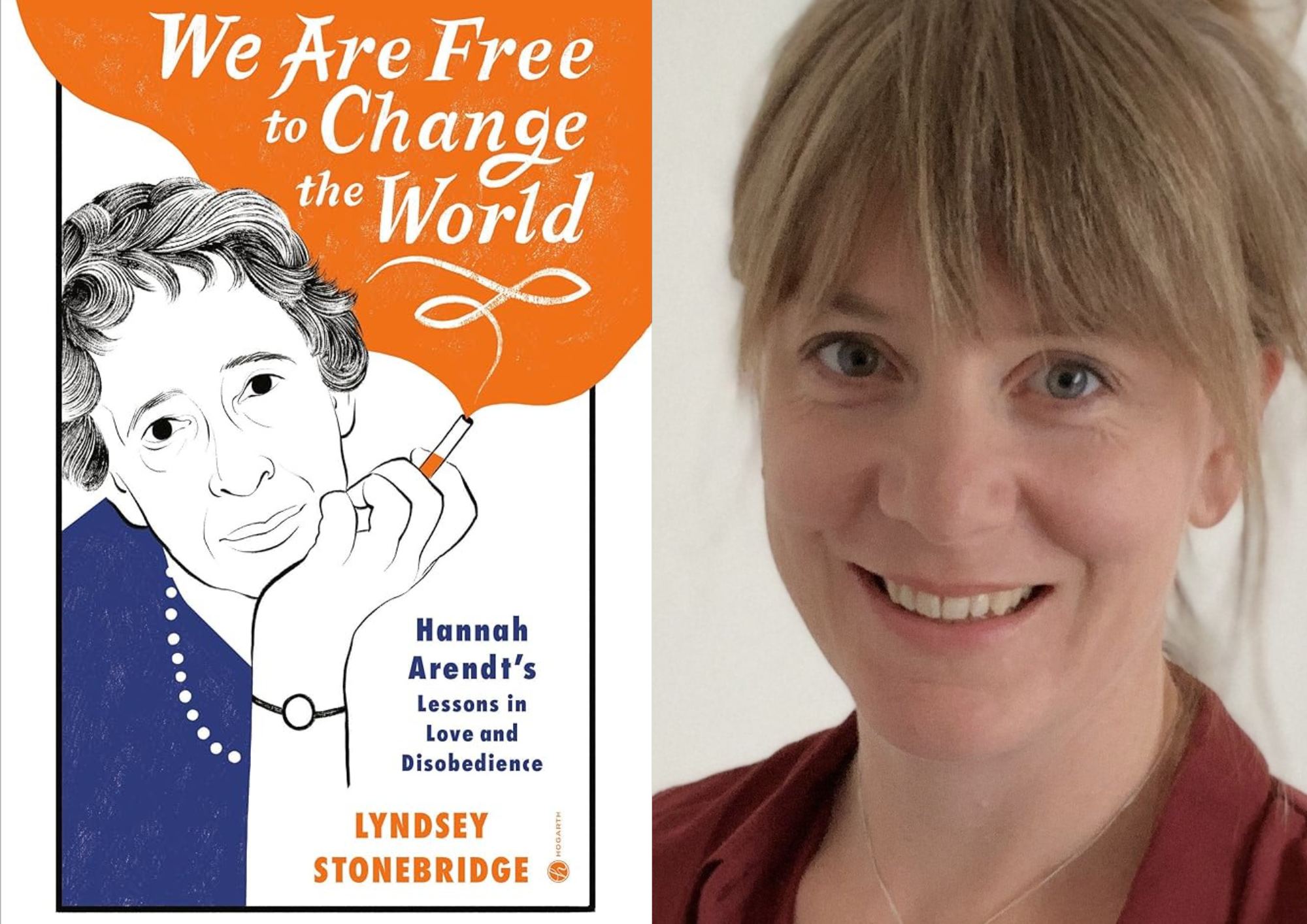
Are We Free to Change the World? – Amy Eaglestone reviews Lyndsey Stonebridge’s We are Free to Change the World: Hannah Arendt’s Lessons in Love and Disobedience
Can we look to the past to save modern day democracies from the perils of growing authoritarianism? Amy Eaglestone reviews Lyndsey Stonebridge’s We are Free to Change the World, a story of what we can learn from the life and works of Hannah Arendt about addressing authoritarian tendencies in contemporary politics.
6.09.2024
Democracy and culture
After the End of Naivety: Anne Applebaum on Current Autocratic Threats and the Path Forward
Anne Applebaum – a liberal conservative historian and journalist with an impressive catalogue of publications and exceptionally wide reach – may have recently distanced herself from her former right-wing allies. However, her new Autocracy Inc. displays more than the occasional penchant for Manichean perspectives. Autocracies, she asserts at one point, “want to create a global system that benefits thieves, criminals, dictators, and the perpetrators of mass murder” .
4.09.2024

Democracy and culture
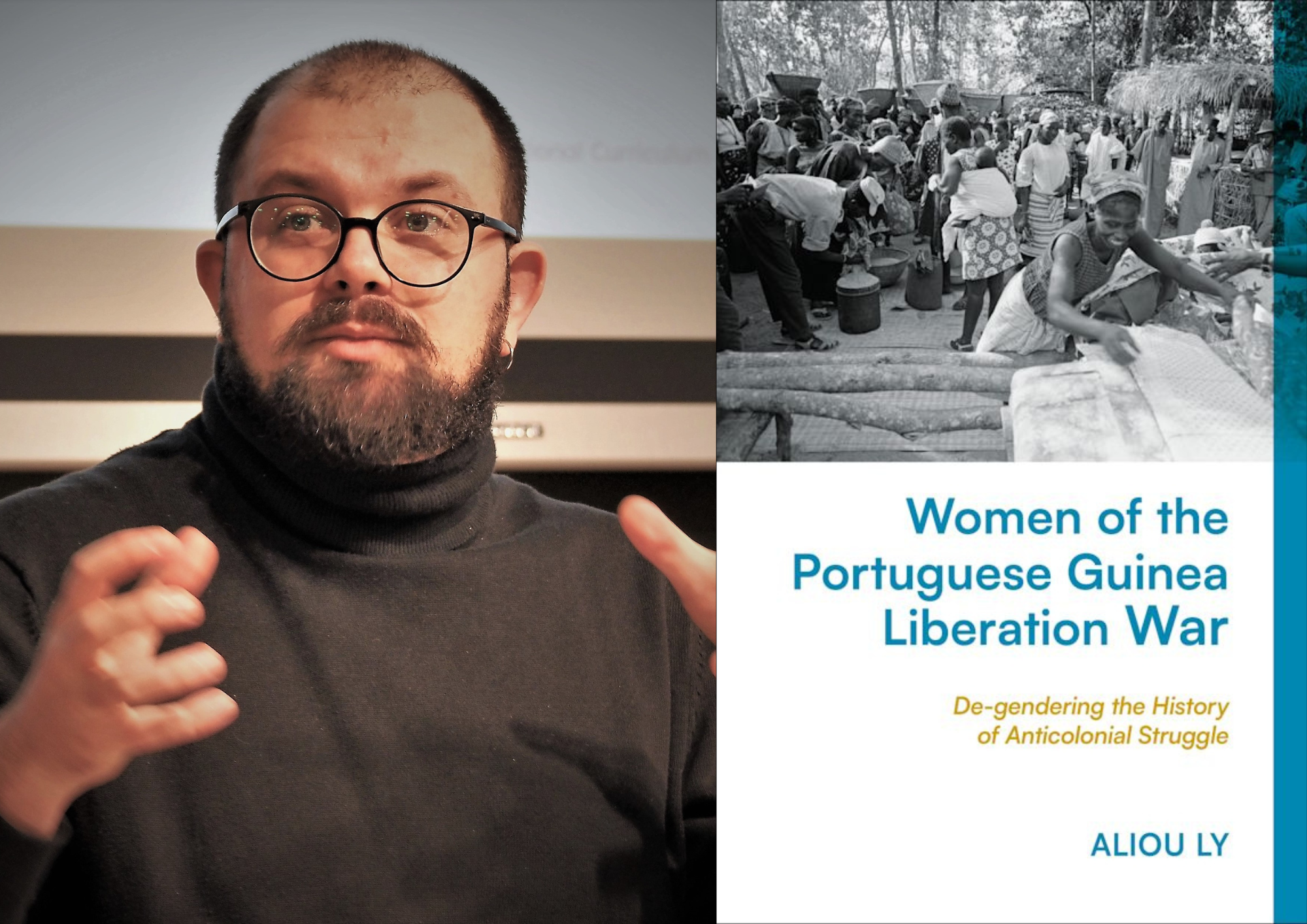
Women of Portuguese Guinea (Guinea-Bissau) in the Anticolonial Struggle
To what extent have the memories of anticolonial struggles in the 20th century silenced the voices of important participants? Aliou Ly's Women of the Portuguese Guinea Liberation War. De-Gendering the History of Anticolonial Struggle aims to bring a fresh understanding to this troubling question. It approaches an anticolonial struggle in Africa from a de-gendered perspective, writes Adrian Matus in this review.
16.08.2024
Democracy and culture
How Do Autocrats Campaign Online? – Caglar Ozturk reviews Marc Owen Jones’ Digital Authoritarianism in the Middle East: Deception, Disinformation, and Social Media
The book argues that authoritarian rulers in the Middle East fund nefarious activities online to silence their opponents abroad, to polish their own image (or their countries’ image) in Western countries and change the narrative about their persistent abuse of human rights. The author claims that these activities have broader implications beyond the region.
9.08.2024

Democracy and culture
Habsburg Central Europe as a Crucible of World Order – Franz L. Fillafer Reviews Natasha Wheatley’s The Life and Death of States
This exquisite, stylish and scintillating book rediscovers Habsburg Central Europe as a crucible of world order, as a site where practically important knowledge of and for the world was produced. The composite nature of the Habsburg Monarchy made Central European lawyers and political activists of different stripes demolish the darling dogma of the “sovereign nation state”: To them the alleged key features of the state, its untrammelled self-sufficiency, eternal life, ethno-linguistic homogeneity, and unanimous will, seemed baleful and bloodless fictions.
28.06.2024

Democracy and culture
Navigating Changes on the Danube – Steamboats, Epidemics, and Modernity in the 19th century
Discussions around the Danube's role in shaping modern East-Central Europe have captured significant attention among scholars in recent years. By now, there is a broad consensus that this river helped create and define a specific cultural space. By using terms such as the Danube Monarchy, Donauraum, or variations of the same idea, some scholars go as far as to center it as an alternative geography to East-Central Europe.
18.06.2024

Democracy and culture
Resisting ‘State Capture’ as a Democratic Priority
The canon of writing on ways to save democracy from its current perils is vast. Political scientists, economists and historians have responded in their droves to the Trump presidency, Brexit and the global ‘democratic recession’. Steven Levitsky and Daniel Ziblatt’s ‘How Democracies Die’ typifies the response from political science: improve democratic processes and participation to encourage political inclusion. Dambisa Moyo’s ‘The Edge of Chaos’ shows the response from economics: deliver economic growth to tackle populism. David Stasavage’s ‘The Decline and Rise of Democracy’ takes the historical perspective, seeking lessons on democratic practices from the period between Ancient Greece and modern Europe. In this rush to find answers, something has fallen through the gap between politics, economics and history: power.
17.05.2024

Democracy and culture
Reconstructing Shared Futures
Matteo Marenco reflects on Jonathan White’s "In the Long Run: The Future as a Political Idea."
10.05.2024

Democracy and culture
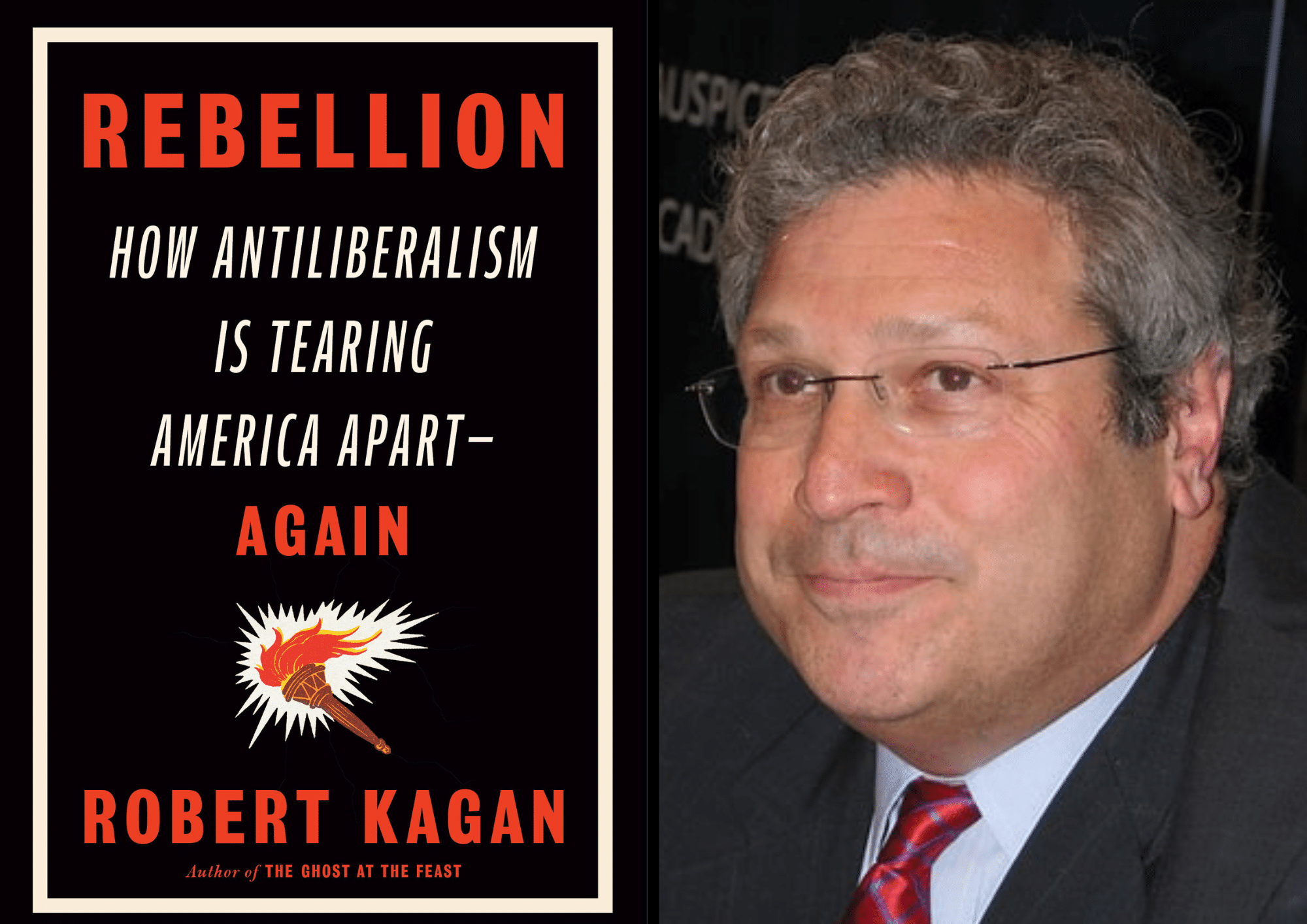
Resigned Combativeness – Robert Kagan on American Liberalism and Its Enemies
What we are witnessing in US politics these days is not a regular battle, not just the usual partisan fight, but an antiliberal rebellion that threatens the liberal constitutional order – and it is far from certain that it would not succeed. The struggle between the forces of liberalism and those of antiliberalism, however, is as old as the republic; it should be approached and analyzed historically. These are two key starting points for the reflections offered on the pages of Robert Kagan’s timely new book Rebellion.
30.04.2024
Democracy and culture
The impossible lives of Frantz Fanon: one man, many masks
In “The Rebel’s Clinic: The Revolutionary Lives of Frantz Fanon”, Adam Shatz takes on the daunting task of presenting a wide-ranging and in-depth examination of psychiatrist, philosopher and revolutionary Frantz Fanon. Shatz, the US editor of the London Review of Books, proves a skilled chronicler, navigating the complex layers of Fanon’s life and challenging the somewhat simplistic narratives that have often surrounded the Martinique-born revolutionary luminary’s life. While this biography may not offer a groundbreaking perspective on Frantz Fanon’s existence, a subject that has been thoroughly explored in numerous works, its success lies in providing significant value through a contextualised understanding of the Martinican psychiatrist. It may not be ideal reading for those seeking an in-depth exploration of specific aspects, but it will prove extremely useful to the general reader who is interested in gaining a comprehensive overview of Fanon by placing his work within the [...]
26.03.2024

Democracy and culture
5 best books in Democracy and Culture – Kasia Krzyżanowska, RevDem editor of the Review of Books section, recommends five books read in 2023.
Kasia Krzyżanowska, RevDem editor of the Review of Books section, recommends five books read in 2023.
20.12.2023

Democracy and culture
RevDem Top 5 Rule of Law Books of 2023 -Recommended by Oliver Garner, editor RevDem Rule of Law section
By the end of each year our editors recommend outstanding readings in their field. This is the list of the top five books recommended in the rule of law section.
19.12.2023

Democracy and culture
We Need the Second European Rescue of the Nation-State
This is a rejoinder that ends the RevDem book symposium. You can read three book reviews by Peter J. Verovšek, Gábor Halmai and Petr Agha.
6.12.2023

Democracy and culture
The Swarm That Didn’t Sting the Bourgeoisie–Arthur Borriello and Anton Jäger Interpret the Populist Left
In The Populist Moment, Arthur Borriello and Anton Jäger analyze a political cycle, “the long 2010s,” when left populists – perhaps most notably Syriza in Greece, Podemos in Spain, Jean-Luc Mélenchon and his various formations in France, Corbynism in the UK, and Sanders’ movement in the US – made notable attempts to rethink and revive the left by adopting a populist identity. The core agendas of this concise, dense, and engaging book are to investigate the specific origins and broader causes of this “populist moment”; to describe and explain the ebb and flow of its major representatives; to assess the major strengths and weaknesses of left populists in more general terms; and to conjecture about where such attempts to revive the left might be headed next. Borriello and Jäger manage to deliver on this ambitious agenda by offering numerous insights and developing a coherent overall interpretation – even though this comes at the price of somewhat narrow empirical foci and concerns.
30.11.2023

Democracy and culture
The Authentic Polish Experience
Kasia Krzyżanowska, RevDem book editor, reviews the novella “The Pole” by J.M. Coetzee.
22.11.2023

Democracy and culture
Take Back Control — Over Brexit Narrative
The book Taking Control: Sovereignty and Democracy After Brexit by Philip Cunliffe, George Hoare, Lee Jones, and Peter Ramsay seeks to put Brexit into the perspective of the ongoing crisis of political representation in Britain and offers the reforms to overcome it.
30.10.2023

Democracy and culture
Reimagining Europe: Confronting the Challenges of Integration and Disunion
Petr Agha reviews Stefan Auer’s European Disunion. Democracy, Sovereignty and the Politics of Emergency. This is the third piece in a book symposium. The first piece by Peter J. Verovšek you can read here, the second one by Gábor Halmai here. A rejoinder by Stefan Auer will be published in the course of the coming weeks. Petr Agha’s research and teaching focuses on some foundational issues and challenges in contemporary law and politics. Petr holds a PhD in Law and Criminology from the University of Antwerp. He also obtained degrees in law, philosophy and political sciences from the Queens University Belfast, Glasgow University and Masaryk University Brno. He is the editor of Human Rights between Law and Politics (Hart Publishing), Law, Politics and the Gender Binary (Routledge) and Velvet Capitalism (Routledge). Introduction The existing theories of European integration often fall short in providing a comprehensive explanation for the fragmentation of the European project. [...]
12.10.2023

Democracy and culture
Maximilian Hess on the Economic War between Russia and the West
How Has Russia’s Attempt to Destroy the International Economic Order Backfired? In this conversation with RevDem editor Ferenc Laczó, Maximilian Hess – author of the new book Economic War: Ukraine and the Global Conflict between Russia and the West – shows how an economic war between Russia and the West has broken out in the 2010s; discusses why Russia’s large-scale invasion and brutal attempt to wreck Ukraine in 2022 has caused such disruption on the global scale; reflects on key features of the relationship between Russia and China today; and considers the future place of Russia in the international economic order. Maximilian Hess is the founder of the political risk consultancy Enmetena Advisory, a fellow at the Foreign Policy Research Institute, and associate fellow at the International Institute for Strategic Studies and at the Oxus Society for Central Asian Affairs. His research focuses on the relationship between trade, debt, international relations, and foreign policy as [...]
9.10.2023

Democracy and culture
Regaining Sovereignty in Europe: Back, Beyond or Below the Nation-State?
Peter J. Verovšek reviews "European Disunion. Democracy, Sovereignty and the Politics of Emergency" by Stefan Auer.
15.09.2023

Democracy and culture
A Book Many Wanted to Write
Kasia Szymanska, PhD, an assistant professor at the Centre for Translation and Intercultural Studies at the University of Manchester, reviews Rebecca F. Kuang’s "Babel, Or the Necessity of Violence: An Arcane History of the Oxford Translators' Revolution" (2022).
6.04.2023

Democracy and culture
Conscious European, Critic of Hubris: Timothy Garton Ash’s Personal History of Contemporary Europe
Ferenc Laczó reviews "Homelands", Timothy Garton Ash’s personal account and interpretation of contemporary Europe, a history book illustrated by memoir. A “post-68er” who is equally accomplished as a historian and as a journalist, and a highly reputed member of the British and European liberal establishments, Garton Ash proceeds chronologically on the book’s pages to cover “the overlapping timeframes of post-war and post-Wall.”
1.03.2023

Democracy and culture
Review: “Gender and Illiberalism in Post-Communist Europe”, Matthijs Bogaards and Andrea Pető (eds.), Politics and Governance, Cogitatio 2022
Ivan Tranfi reviews the recent special issue on gender and illiberalism edited by Matthijs Bogaards and Andrea Pető, experts in de-democratization and gender studies from Central European University.
17.02.2023

Democracy and culture
Digital Fragmentation. Habermas on the New Structural Transformation of the Public Sphere
Markus Patberg reviews Jürgen Habermas’s new book Ein neuer Strukturwandel der Öffentlichkeit und die deliberative Politik [A New Structural Transformation of the Public Sphere and Deliberative Politics].
2.02.2023

Democracy and culture
Dictionary of Received Ideas (About Fascism)
Engaging with the difficult task of deconstructing firmly rooted myths, Corner’s main goal is to answer two questions: (1) How far does the affirmation of “many good things” done by Fascism corresponds to the historical reality?; and (2) Why do so many people today share a “permissive memory” of Fascism?
19.01.2023

Democracy and culture
New Year Special
In a special edition of the RevDem podcast, our editors Laszlo Bruszt, Oliver Garner, Kasia Krzyżanowska, Ferenc Laczo, Michał Matlak, and Renata Uitz discuss their favorite RevDem content, best books and articles they have read, most important political events of 2022 and more. At the end of the episode, they are joined by the authors of the most popular piece of 2022 published by RevDem: an op-ed by Elżbieta Krzyżanowska and Pavel Skigin “The discourse of privilege: Western Europe and the Russian War against Ukraine.”
11.01.2023

Democracy and culture
Best Political Economy Books of 2022
Gabor Scheiring, a head of the Political Economy and Inequalities section at the Review of Democracy, presents five key books in political economy of 2022.
23.12.2022

Democracy and culture
5 Key 2022 Books: Rule of Law
Dr Oliver Garner, RevDem editor of the Rule of Law section at the Review of Democracy, presents five key books on the rule of law in 2022.
22.12.2022

Democracy and culture
5 Key 2022 Books: Democracy in Literature
Kasia Krzyżanowska, RevDem editor of the Review of Books section at the Review of Democracy, presents five key books in democracy in literature in 2022.
21.12.2022

Democracy and culture
5 Key 2022 Books: Ideas
Ferenc Laczó, editor of the History of Ideas section at the Review of Democracy, presents five key Ideas books in 2022.
20.12.2022
Democracy and culture
A Crafted Gem: Giuseppe Martinico reviews ‘Anti-Constitutional Populism’
A review by Giuseppe Martinico of a book Anti-Constitutional Populism edited by M, Krygier, A. Czarnota, W. Sadurski (Cambridge University Press 2022)
6.09.2022

Democracy and culture
Joseph Weiler: The Books That Formed My Intellectual Outlook
Joseph Weiler describes for us the most important books that shaped his thinking about the world, law and scholarly work.
15.07.2022

Democracy and culture
“War is for the Weak”: Stella Ghervas on the European Divorce between Peace and Empire
RevDem Editor Ferenc Laczó reviews Stella Ghervas’ major new monograph Conquering "Peace. From the Enlightenment to the European Union," a stylishly written, often stimulating, if slightly unusual scholarly monograph. Inspired, among others, by Robert de Traz’s 1936 book De l'alliance des rois à la ligue des peuples, Sainte-Alliance et SDN (From the Alliance of Kings to the League of Nations: The Holy Alliance and the League of Nations), Ghervas has penned what she calls “a theatrical dialogue in five acts that portrays Europe’s resistance to empires while trying to keep free of armed conflicts” (p.3).
1.07.2022

Democracy and culture
Beyond the “mafia-state”: a comprehensive and innovative approach to post-communist regimes
Gábor Illés, Research Fellow at the Department for Democracy and Political Theory of the Hungarian Academy of Sciences Centre of Excellence, reviews "The Anatomy of Post-Communist Regimes: A conceptual framework" (CEU Press, 2021) by Bálint Magyar and Bálint Madlovics.
24.06.2022

Democracy and culture
Adventitious Patron of Freedom
"Tóibín's book shows the absurdity of the widespread expectation that it is the writer who is supposed to be the nation's sage, who will point out the right political direction for the state, and who will find the right words to comment on important social events," writes in her review our editor, Kasia Krzyżanowska.
15.06.2022

Democracy and culture
Book review: Giuseppe Martinico, Filtering Populist Claims to Fight Populism: The Italian Case in Comparative Perspective (CUP 2021)
Julian Scholtes, a lecturer in EU and Public Law at Newcastle University, reviews "Filtering Populist Claims to Fight Populism: The Italian Case in Comparative Perspective" by Giuseppe Martinico, "a wonderfully written in-depth analysis of the constitutional dimensions of populism in Italy."
12.04.2022

Democracy and culture
5 Books on Putinism
Our editors Kasia Krzyzanowska and Michal Matlak have selected 5 books that encourage a better understanding of the aggressor: Vladimir Putin and the system he has created.
12.03.2022

Democracy and culture
5 Books on Ukraine
nce the Russian invasion started on 24th February, two thousands of civilians have already died because of Russian missiles shot indiscriminately at Ukrainian cities and towns. However, the armed conflict begun much earlier, when Russia annexed Crimea and started its occupation of the Eastern part of Ukraine in 2014. Our editor Kasia Krzyżanowska has selected 5 books to encourage a better understanding of the Ukrainian state and Ukrainian modern history and culture. This list is by no means comprehensive and serves as an invitation to explore Ukraine’s recent history further
4.03.2022

Democracy and culture
From Socialist to Capitalist Walls
Gábor Scheiring reviews „Taking stock of shock. Social consequences of the 1989 revolutions” by Kristen Ghodsee and Mitchell Orenstein
11.10.2021

Democracy and culture
Deadlock of Western liberalism. Petr Agha Reviews a Book by Krastev and Holmes
The Light that Failed: A Reckoning fails to deliver a fresh interpretation which would venture beyond the traditional liberal mantra. It is a representation of the contemporary deadlock of Western liberalism.
28.09.2021

Democracy and culture
Epigone scholarship
Our editor, Katarzyna Krzyżanowska, reviews a book by Aviezer Tucker “Democracy Against Liberalism” published by Polity Press, 2020
20.09.2021

Democracy and culture
Is Neoliberalism Finally Dead?
Few concepts have been declared dead and buried more often than neoliberalism. However, it continues to survive. Neoliberal Resilience, Aldo Madariaga’s award-winning book, shows how. Review by Gabor Scheiring.
20.07.2021

Democracy and culture
An American in a Strangely Familiar World. Ben Rhodes explores the world the U.S. has made
Ferenc Laczo reviews "After the Fall. Being American in the World We've Made" by Ben Rhodes.
21.06.2021
Democracy and culture
Reading Barnier’s diary: Brexit and the nature of European integration
Our editor Michal Matlak reviews the secret diary of Michel Barnier, former EU chief Brexit negotiator and potential French presidential candidate.
11.06.2021

Democracy and culture
Illiberal finance: think globally, act locally
Gabor Scheiring reviews the book by Fabio Mattioli "Dark Finance. Illiquidity and Authoritarianism at the Margins of Europe"
4.06.2021

Democracy and culture
A Certain Anachronistic Appeal. On Conversations with Francis Fukuyama
On the 3rd of May, the Georgetown University Press will publish "After the End of History. Conversation with Francis Fukuyama". Our editor Ferenc Laczo from Maastricht University reviews the volume.
13.04.2021

Democracy and culture
The Trump Canon of Democratic Struggle
Lozada’s book offers an answer to the problem of how we discursively resisted Trump’s presidency. Review by Katarzyna Krzyżanowska
18.03.2021

