Hungarian Elections
Hungarian Elections
From Worst Offender to New Source of Hope: On Hungary’s Prospects of Re-Democratization in the Light of Contemporary History
Just like Hungary’s post-communist liberal democracy, Viktor Orbán’s regime ended abruptly. In both cases, seismic changes quickly undermined what had looked like firmly established rules. Why was Hungary’s liberal democratic transition of the late 20th century followed by sharp de-democratization in the early 21st century, and why has illiberal regime-building crumbled unexpectedly too? How do the country’s prospects of democratization look now compared to 1989?
22.09.2026

Hungarian Elections
Kim Lane Scheppele on Hungary’s Democratic U-Turn
In this new episode of our podcast series produced in cooperation with the Journal of Democracy, Kim Lane Scheppele discusses the major challenges and dilemmas that the new Hungarian government led by Péter Magyar faces after 16 years of illiberal rule and illiberal state-building by Viktor Orbán and his cronies; how the prospects of Hungarian democracy look in comparative perspective; how European law and European funds are shaping those prospects – and what has surprised Kim Lane Scheppele the most in recent months.
17.08.2026

Hungarian Elections
The Dependence Paradox: Why Did Low-Educated Voters in Hungary Disproportionately Vote for Fidesz?
By Vera Messing and Judit Durst Electoral data in Hungary reveal that the most vulnerable populations – with some exceptions – continued to support Fidesz. This piece addresses the most predominant explanations of this phenomenon: media isolation and clientelism. We also address what it will take for political change to reach marginalized communities. Walking through the streets of a village in Northern Hungary on a beautiful spring day on April 12, 2026, there was no hint of the election result that would soon sweep away Fidesz’s 16 years of autocratic rule. Signs of election fraud were sometimes clearly visible: a local “construction contractor” sitting in a car in front of the polling station, checking a list – likely the list of voters – to see who had voted and who still needed to be mobilized; people driving to the sports field after casting their ballots, where money changed hands. Still, the election day proceeded in a calm manner. Most of the villagers were convinced that [...]
16.06.2026

Hungarian Elections
Constitutional Enthusiasm in Hungary – In Conversation with Gábor Halmai
Sixteen years of rule by Viktor Orbán’s Fidesz party have come to an end in Hungary. During this time, the country received prominence in debates about the rule of law like practically no other. Since winning a two-thirds majority in 2010, Fidesz had significantly altered the Hungarian constitutional system to ensure the persistence of its own power. According to many analysts, this set a blueprint that other right-wing populists around the world have followed. The victory of Peter Magyar’s Tisza-party has brought hope that Hungary will democratize and rebuild the rule of law – something many analysts had almost given up on. Finding the path to achieve this is likely to become challenging. Research has shown that successful returns to democratic governance after an authoritarian period are rare, and pro-democratic politicians who take over after an authoritarian incumbent often turn to authoritarian governance themselves. Yet, euphoria is currently running high in Hungary. Perhaps [...]
11.06.2026

Hungarian Elections
Beating Orbán from the Inside: Elite Defection and the Limits of Illiberal Democracy
Viktor Orbán’s 16-year rule ended on April 12, 2026, but not at the hands of the liberal opposition or the EU. The mechanism of Orbán’s defeat reveals a structural vulnerability in every authoritarian project: the insider who turns.
10.06.2026
Hungarian Elections
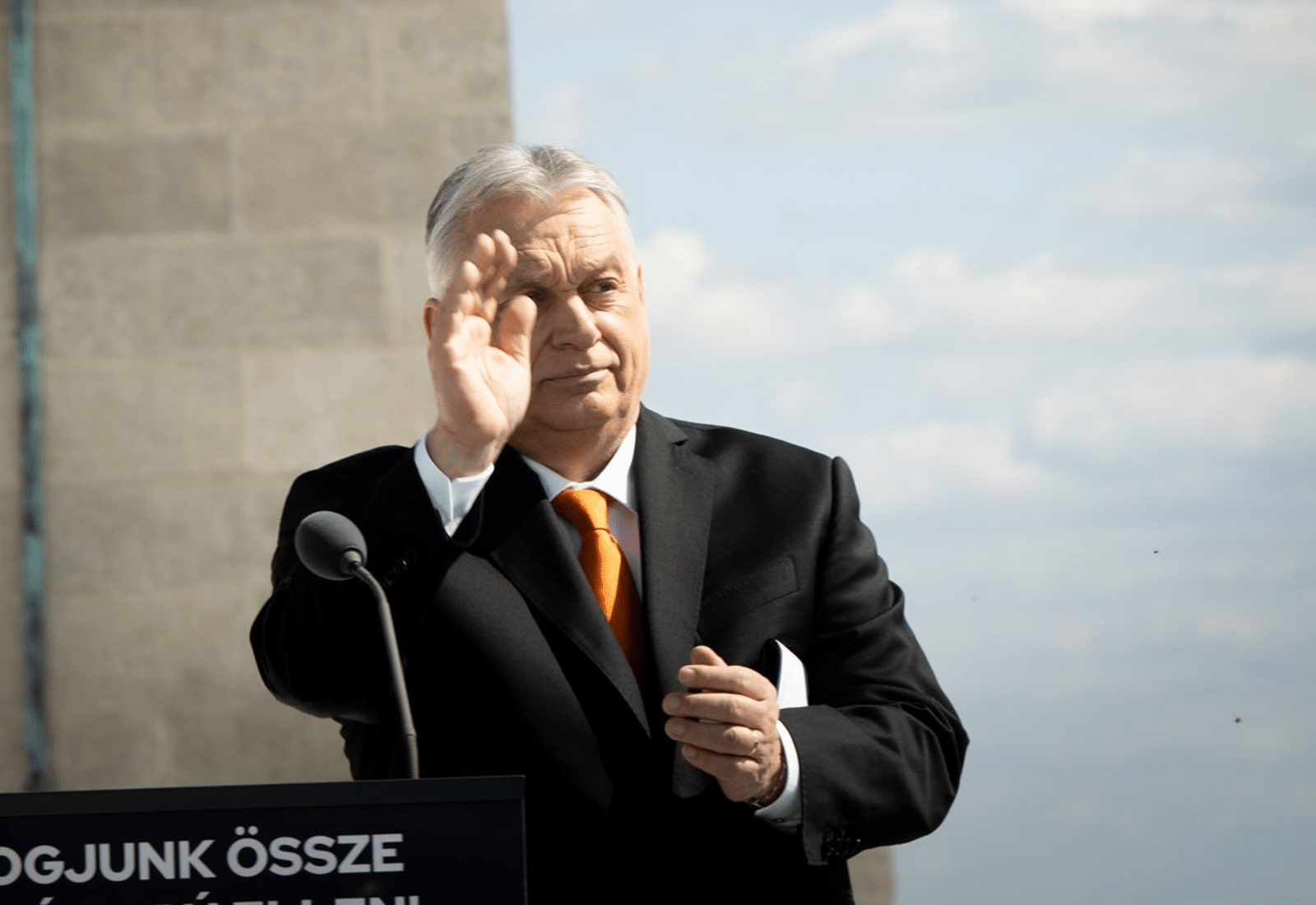
The Defeat of Viktor Orbán’s Mafia State: Why Orbán Had to Relinquish Power—and What Other Opposition Movements Can Learn from Péter Magyar
Viktor Orbán’s removal from power did not occur because his regime suddenly became democratic: it happened because he lacked the capacity to deploy violence against already mobilized masses in the face of a devastating electoral defeat. In the second part of their two-part analysis, Bálint Madlovics and Bálint Magyar explain why the mafia state ultimately proved unable to escalate coercion further—and what democratic opposition movements elsewhere may learn from the Hungarian case.
29.05.2026

Hungarian Elections
The Defeat of Viktor Orbán’s Mafia State: How A Mass Movement Emerged Within an Autocratic System
Sixteen years after Viktor Orbán transformed Hungary into what authors describe as a “mafia state,” his regime was defeated through elections. In the first part of their two-part analysis, Bálint Madlovics and Bálint Magyar examine how a mass democratic movement was able to emerge within an authoritarian system designed precisely to prevent such a challenge, and why the Orbán regime ultimately proved unable to stop it
26.05.2026

Hungarian Elections
Was Hungary a Democracy All Along? – What Does the Hungarian Election Tell Us About the Nature and Prospects of Democracy in Europe?
Although Hungary has long been held up as an example of democratic backsliding, where a populist strongman eroded the rule of law, the fairness of elections, and sought to hold on to power indefinitely, on April 12, Orbán, accepted defeat, and the peaceful transition of power began. This has signalled to many that the charges of “soft” or “electoral” autocracy or hybrid regime levelled against Hungary in the past have been exaggerated. Indeed, shortly after the election, the Wall Street Journal’s published an op-ed arguing that democracy is well and alive in Hungary, after all.
19.05.2026

Hungarian Elections
The Limits of Electoral Autocracy: Lessons from Orbán’s Fall
After 16 years in power, Viktor Orbán’s Fidesz was defeated within the very electoral system it had engineered to entrench its rule. Hungary’s 2026 election shows that electoral autocracies can be more vulnerable than they appear. They can be defeated when democratic opposition forces adapt strategically, coordinate across sectors, and are ready and able to capitalize on moments of declining regime legitimacy.
30.04.2026

Hungarian Elections
Meanders of Democratic Renewal. What Can Hungary Learn from the Polish Experience?
Hungary’s parliamentary election brought a spectacular victory for the opposition. Viktor Orbán has lost power after 16 years of continued rule. His challenger, Péter Magyar, managed to build a movement that took advantage of a system meticulously rigged to prevent the incumbent from ever losing power. It is a victory against a captured state that systematically used the Hungarian public assets for private profit and unfair partisan advantage. Yet, the electoral victory will not automatically restore democratic standards and a rule-based order. In her op-ed, Maria Skora argues that the recent experience of Poland, which has been struggling to overcome the consequences of its own autocratic episode, might help Hungary to navigate the risks of re-democratization.
21.04.2026

Hungarian Elections
Hungary Replaced Orbán – But Can It Replace His Foreign Policy Legacy?
Orbán’s defeat in last Sunday’s election rings in a new era for Hungary, but also for its partners to the East and West. In her op-ed, Gabriela Greilinger argues that while Péter Magyar’s calls for more pragmatism and constructive relations with Western partners suggest, in part, a decoupling from the country’s former “Eastern Opening”, some challenges will remain.
16.04.2026
Hungarian Elections
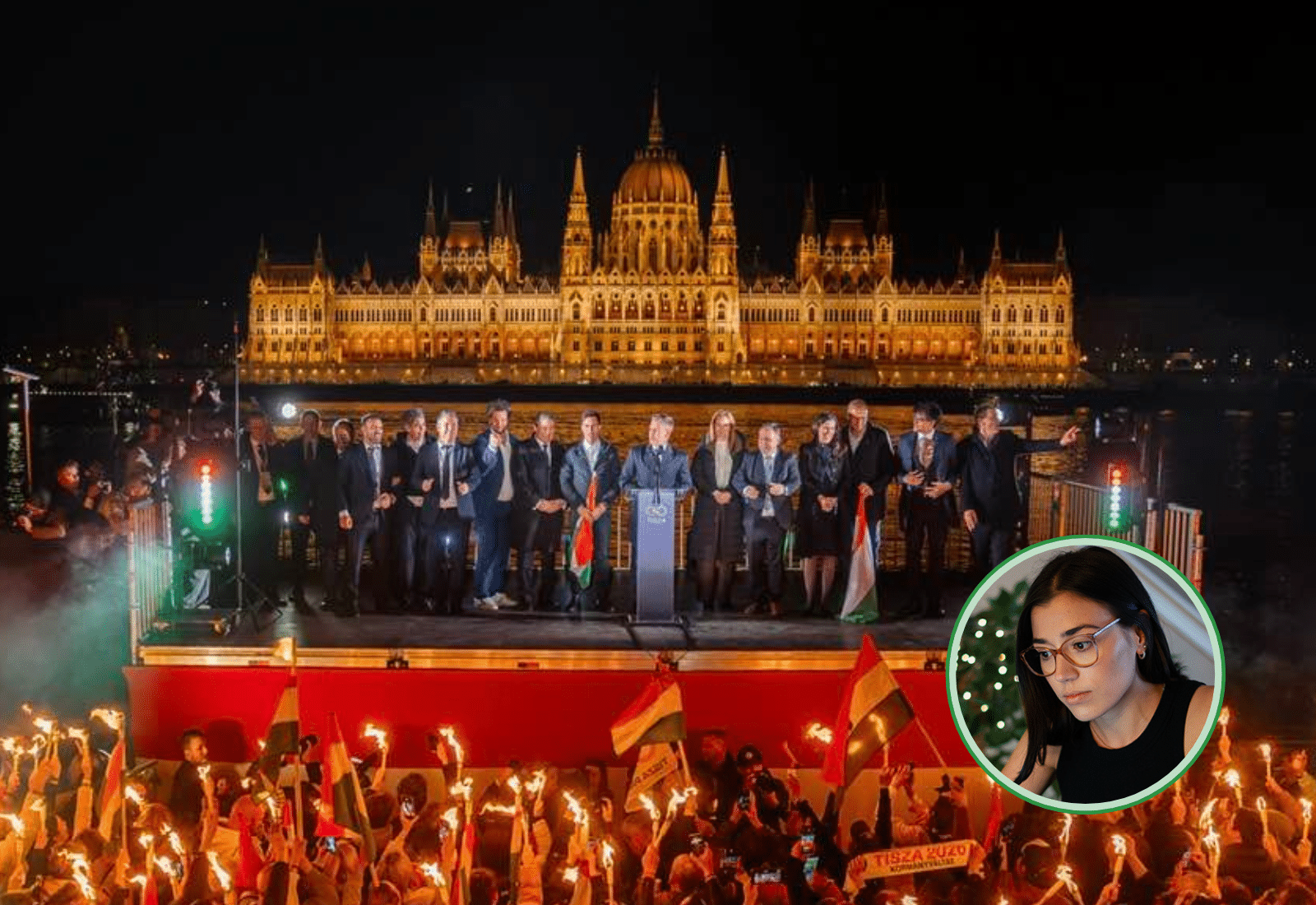
All At Once – Coping with Positive Shock in Hungary
Bucking wider trends once again, Hungarian voters ousted a seemingly entrenched quasi-party state on Sunday. The resounding defeat of the first proudly illiberal regime within the enlarged West forces us to revise entrenched wisdoms about the System of National Cooperation and its leader. The unhoped-for supermajority for Tisza also shows the country’s political culture and historical trajectory in a new light. Ferenc Laczó reflects on the meaning of the Hungarian elections.
14.04.2026
Hungarian Elections
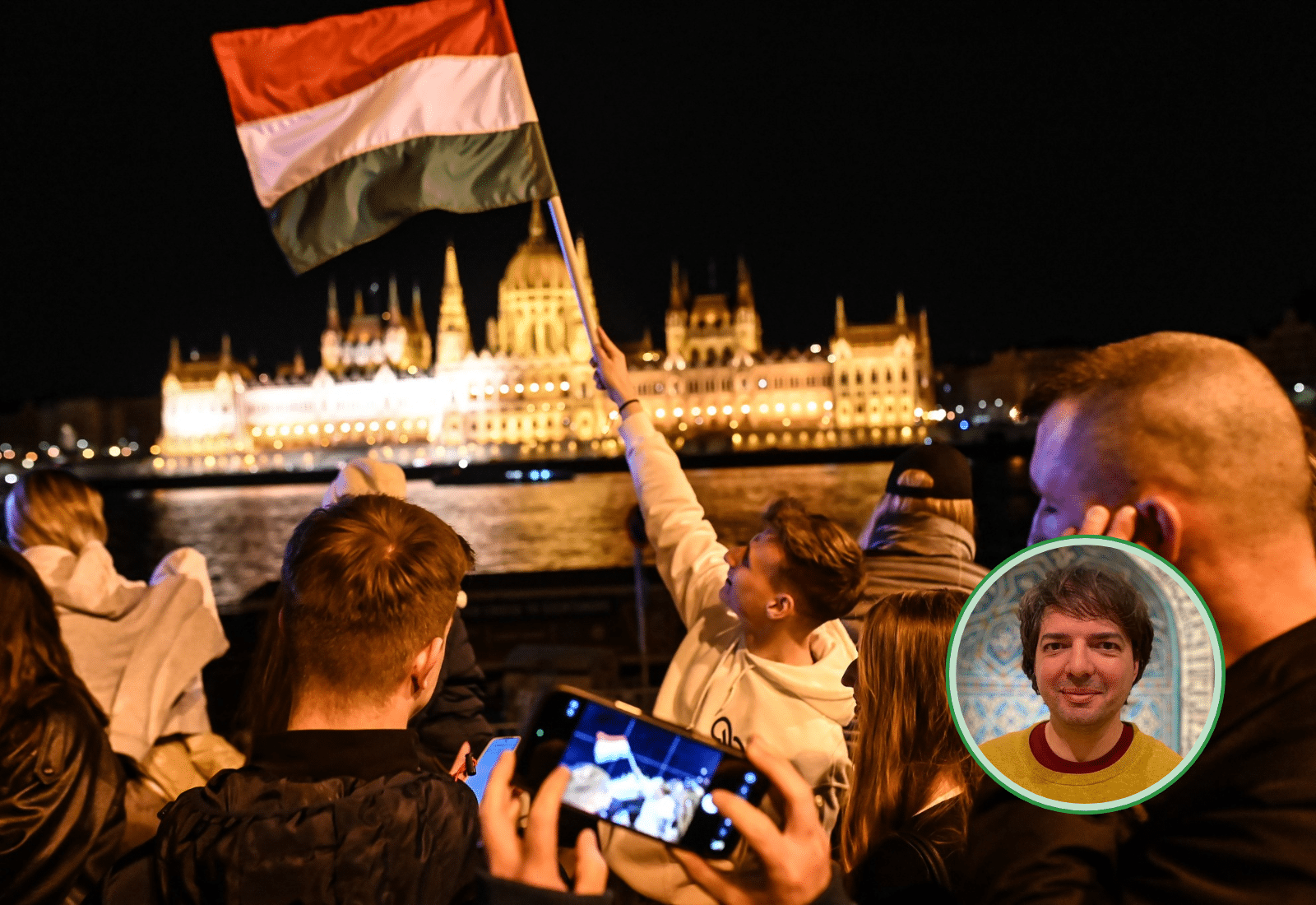
Watershed Elections in Hungary? – What’s at Stake?
For the past 16 years, Hungary has increasingly come to be seen as the epitome of swift and steady democratic decline ending in a clear path toward autocratization. However, the ruling Fidesz party anticipates the 2026 general elections with a challenger that looks more credible and more popular than the ones it defeated during the past four elections, which opens the possibility for democratic recovery. Still, questions abound regarding the peaceful transition of power, the legal possibilities for rebuilding the rule of law and restoring media freedom, the reintegration of the country into the EU, as well as the malleability of popular attitudes that made the 16-year rule of Fidesz possible in the first place.
9.04.2026

Hungarian Elections
Fidesz on the Defensive: Sixteen Years of Dominance Under Threat
Hungary's April 2026 parliamentary election presents the first serious challenge to Viktor Orbán's sixteen-year rule. Péter Magyar's Tisza party, built on technocratic populism and a clean break from the discredited old opposition, leads Fidesz by roughly ten points among committed voters. This analysis examines the roots of Fidesz's vulnerability, the dynamics of a campaign dominated by economic grievances and a series of scandals, and the scenarios that could yet determine the outcome.
4.02.2026