Indonesia's New Order
Indonesia's New Order
The Twilight of the Modernizers: The Fate of Technocrats and Student Activists under Authoritarian New Order Indonesia
Indonesia has been experiencing democratic regression in the last decade with the curtailment of freedom of expression and the shrinking of civic spaces. Along with this, there are visible signs of executive aggrandizement that have eroded democratic accountability. A major structural argument explaining the causes of this democratic regression highlights the role of authoritarian inclusion: authoritarian regime holdovers from the New Order period—former military officers, local bureaucrats, and business elites who owed their position to the authoritarian regime–were integrated into the new democratic political system after the 1999 regime transition.
20.10.2026

Indonesia's New Order
Indonesia’s New Order within Global Empire: An Arena for the Battle of Capital’s Managers
Postcolonial Indonesian political history cannot be understood fully without situating it within the shifting postwar American empire. The emergence of the New Order (1966-1998) at the juncture toward neoliberalism and the financialization of commodities while under technocratic developmentalist aid determined particular elite relations as managers of empire .
3.06.2026
Indonesia's New Order
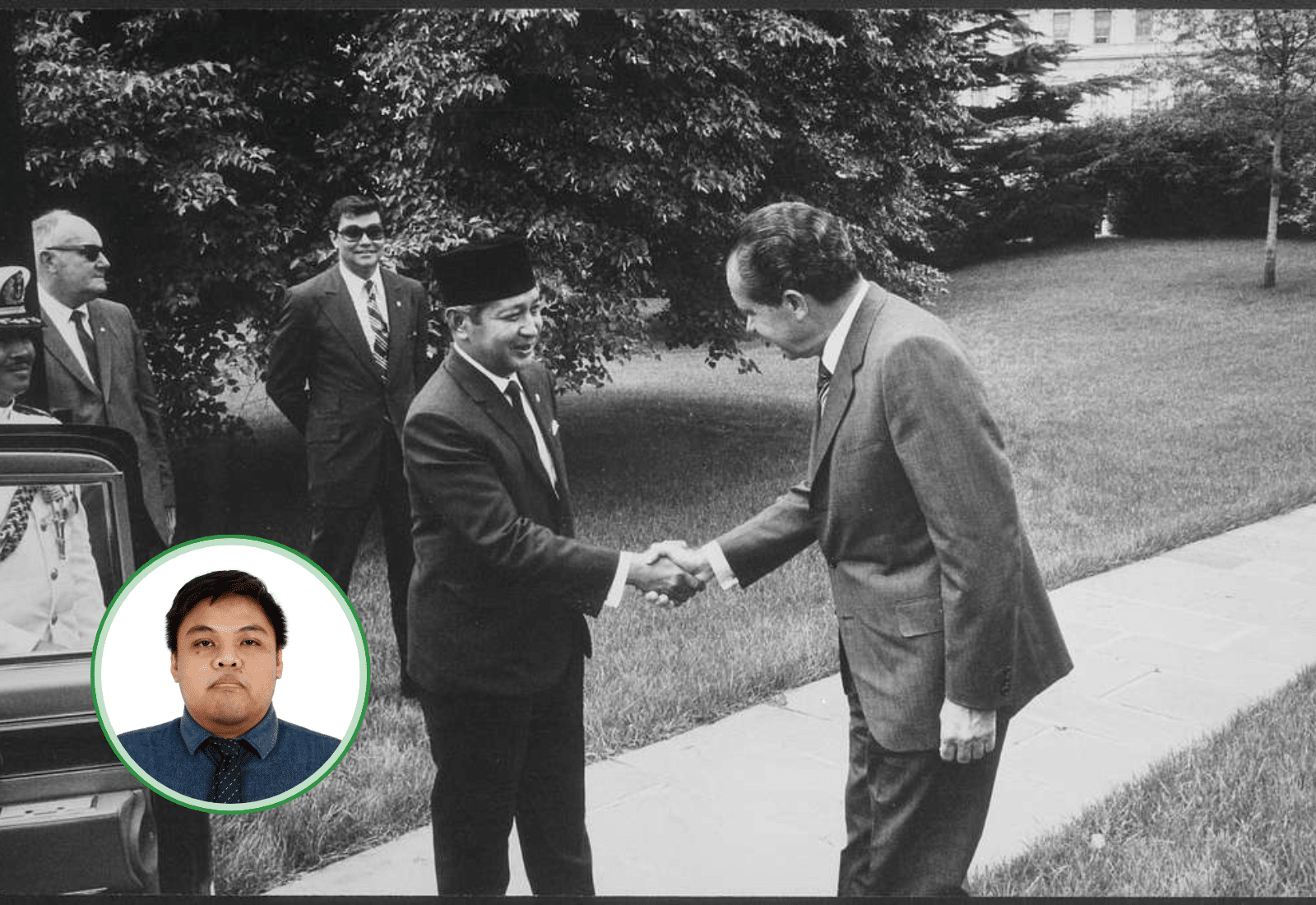
Talking Democracy While Tearing It: Authoritarian Conservatism in New Order Indonesia
Indonesian conservative thinkers claimed to save their country from populist socialism of Sukarno and the Left. They dreamed of a democratic polity free from “extremism” and underdevelopment. Instead, what they built was an authoritarian, corporatist, and developmentalist regime. This essay (re)examines their ideological justification for it.
7.04.2026
Indonesia's New Order
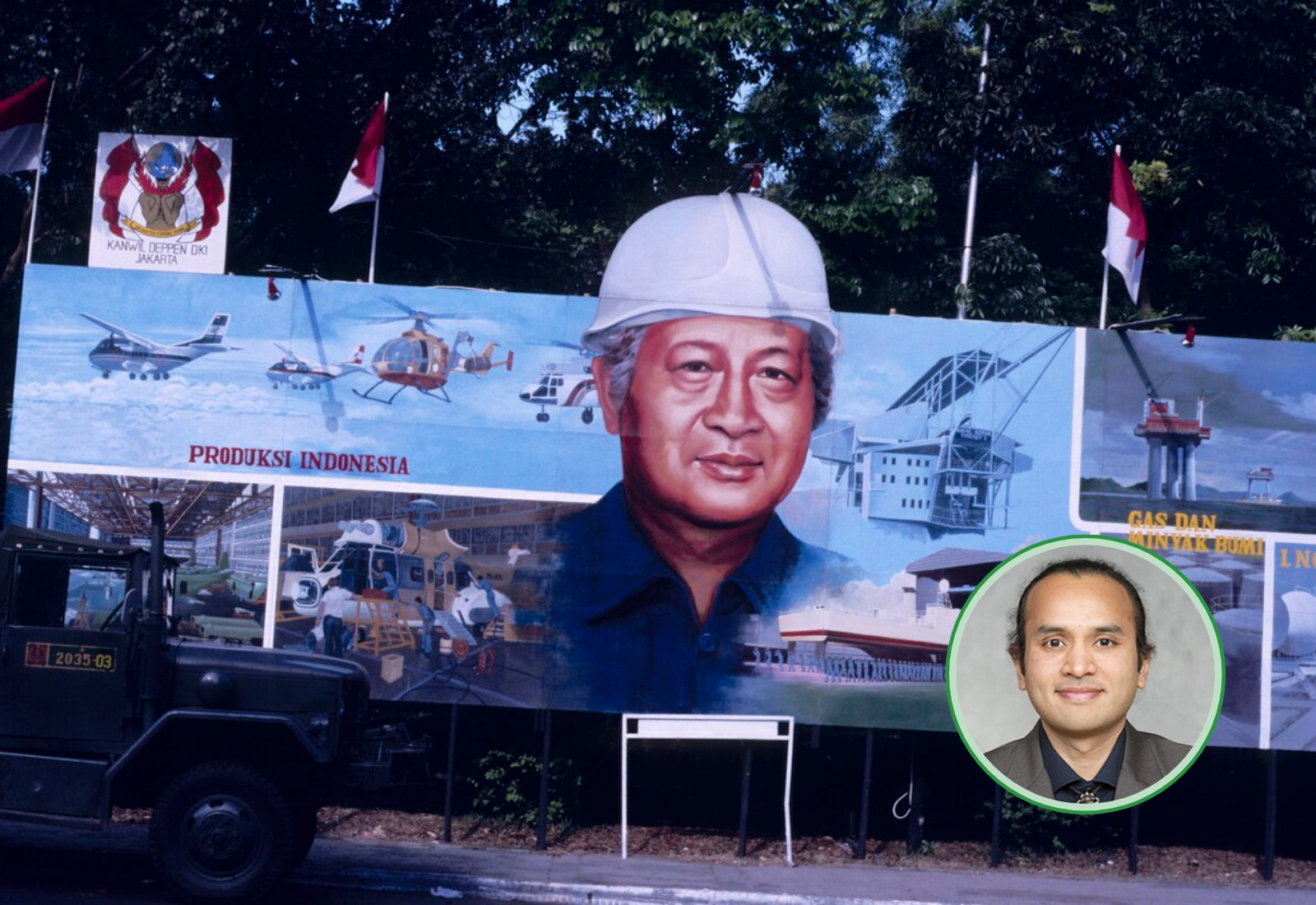
When Soldiers Became Jurists: The Legal Origins of Indonesia’s Authoritarianism
How did Indonesia’s military learn to rule through law? This essay argues that a “military-juridical nexus” between civilian jurists and army officers in the 1950s built the legal foundations of authoritarianism—transforming emergency powers into durable institutions that continue to shape Indonesia’s civil–military relations today.
11.03.2026

Indonesia's New Order
New Order’s Authoritarian Legacies and Indonesia’s Democratic Decline: A Reassessment
By 2025, Indonesia has been a electorally democratic polity for over a quarter of a century since the collapse of the authoritarian New Order regime (1966-1998) in 1998. Yet, rather than consolidating democratic institutions, the country has entered a slow but discernible trajectory of democratic backsliding—what scholars of comparative politics term a process of “autocratization.” This democratic regression has been most visible during the latter years of President Joko Widodo’s administration and the state’s repressive handling of recent civil society protests in major Indonesian cities is one of its manifestation.
3.03.2026

