#Bangladesh
News
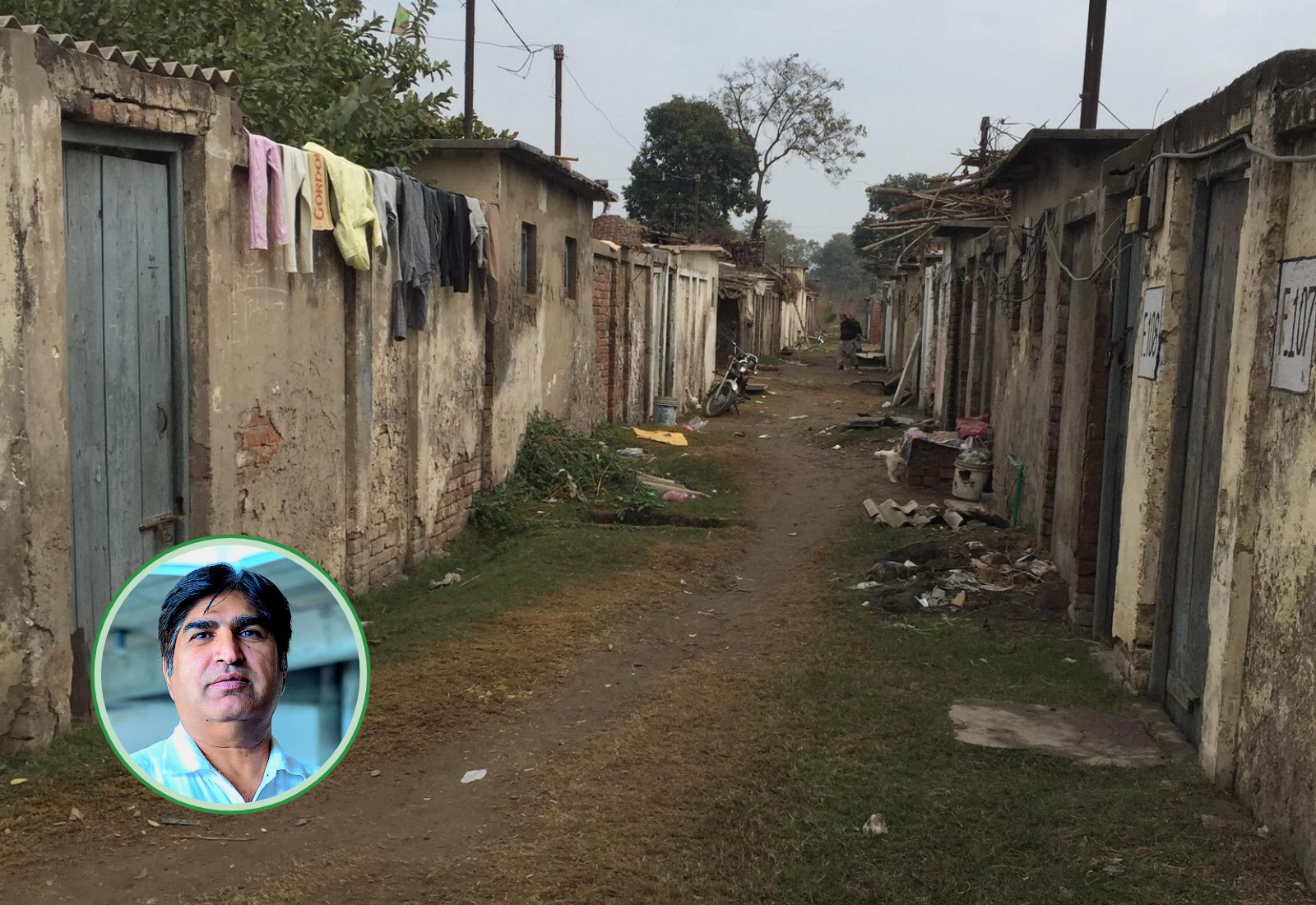
The Hostages of Statecraft: Bengali Internment in Pakistan and the 1971 Bangladesh War
Contemporary politics in South Asia involves historically complex questions of citizenship, loyalty, and state power. Debates about migration, internal security, and national belonging have revived concerns over how swiftly democratic norms can be compromised to serve state security needs. In Bangladesh, these tensions remain particularly sharp: the Awami League, which played a crucial role in the founding of the country and governed for over a decade, was ousted through mass protests and subsequently barred from contesting the February 2026 elections, raising serious questions about political representation, democratic legitimacy, and the future of electoral competition. Such developments highlight the fragility of democratic processes and demonstrate how political crises can reshape notions of citizenship, rights, and participation.
13.03.2026
News
The Unyielding Power of Authoritarianism: Hasina’s Failed Cards to Stop Bangladesh’s July 2024 Uprising
Bangladesh’s July 2024 uprising exposed the limits of authoritarian control. Despite deploying repression, censorship, legal manipulation, and disinformation, the Hasina regime failed to contain a decentralized, student-led movement that ultimately forced its collapse.
28.01.2026

News
Understanding State Behavior and Regime Unpopularity through the “Tripartite Struggle” Framework
The interplay of global hegemony, majoritarian discourse, and ruling narratives shapes state behavior and regime popularity. Consolidated democracies manage ideological diversity better, enabling non-violent regime changes, while unconsolidated systems like India and Bangladesh risk authoritarianism or populism. Governments’ failure to balance competing interests often results in unpopularity, dissent, and potential regime instability.
1.04.2025

Podcasts
The Crowd Never Left the Scene… – Nusrat Sabina Chowdhury on Crowd Politics in Bangladesh
In this conversation at the Review of Democracy, Nusrat Sabina Chowdhury – author of the recent book Paradoxes of the Popular: Crowd Politics in Bangladesh (Stanford UP, 2019) – discusses the various layers of democracy in Bangladesh. Analysing the differences between the English word “crowd” and the Bengali term “jonata,” Professor Chowdhury deliberates upon the recent events in Bangladesh through the lens of the country’s long history of popular dissent and street mobilization. She describes how the Western category of “the people” fails to capture the tenuous, fleeting, and ephemeral materiality of the crowd in the context of Bangladesh and beyond.
9.09.2024

News
US’s Confusing Role in Protecting Democracy in Bangladesh
Sheikh Hasina's Awami League secured power in Bangladesh for the fourth consecutive term through an uncontested election on January 7th, 2024. When it comes to engagement with Bangaldesh, the United States' commitment to democratic processes and its aspirations for immediate engagement with the government exhibits a gray area. In the intricate tapestry of global politics, the United States often finds itself in a precarious position as both an advocate for democracy and a pragmatist driven by its geopolitical interests. In few places is this as evident as in its engagement with Bangladesh, where a nuanced dance between democratic principles and strategic alliances unfolds.
19.04.2024