Elections
News
Peru’s Runoff Election: Changing the Menu?
Peru is the regional epicenter of the geopolitical dispute between China and the United States not only for securing access to critical raw material for the energy transition (which are abundant in Peru), but also for supremacy over the so-called backyard. What are the international orientations of the presidential candidates facing the 7 June runoff election?
5.06.2026

News
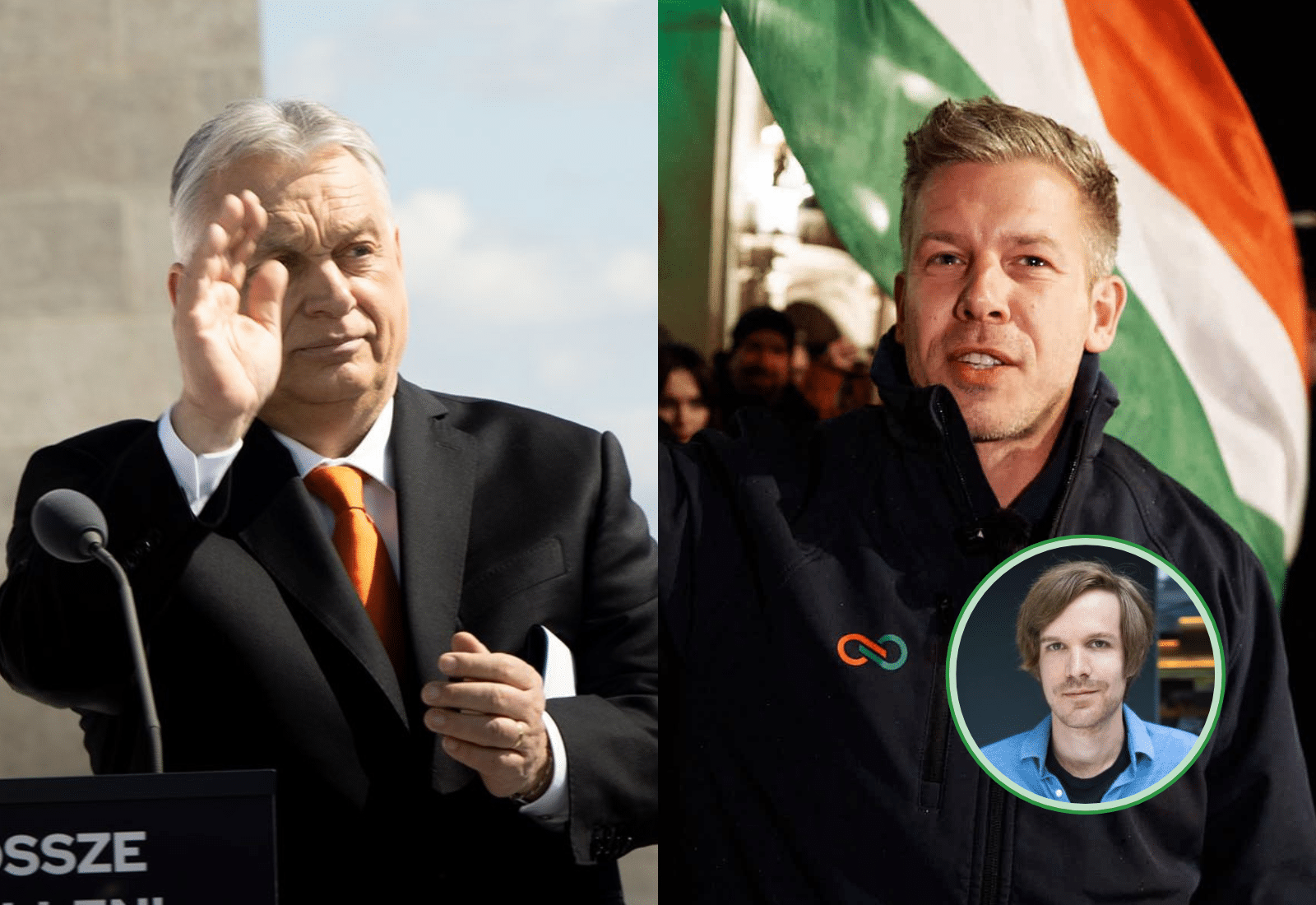
Watershed Elections in Hungary? – What’s at Stake?
For the past 16 years, Hungary has increasingly come to be seen as the epitome of swift and steady democratic decline ending in a clear path toward autocratization. However, the ruling Fidesz party anticipates the 2026 general elections with a challenger that looks more credible and more popular than the ones it defeated during the past four elections, which opens the possibility for democratic recovery. Still, questions abound regarding the peaceful transition of power, the legal possibilities for rebuilding the rule of law and restoring media freedom, the reintegration of the country into the EU, as well as the malleability of popular attitudes that made the 16-year rule of Fidesz possible in the first place.
9.04.2026
Videos
Nepal Elections 2026: Protests and Politics
Nepal is at a pivotal political moment. As the country prepares for its upcoming elections, questions around democratic consolidation, coalition politics, civic participation, and representation have become increasingly urgent. This panel discussion brought together scholars, analysts, and public intellectuals to reflect on the evolving political landscape in Nepal , examining electoral dynamics, the state of institutions, and what the elections mean for the country’s political future. Speakers: Pranaya Rana is a scholar-practitioner with two decades of experience spanning the military, education, social services, and public health sectors. A Ph.D. in International Conflict Management from Kennesaw State University and a lifetime Senior Bosserman-UNESCO Fellow, he is currently an active politician in Nepal, having contested in the 2020 House of Representatives elections and served as Senior Advisor to the Ministry of Youth and Sports in 2024. Nabin Giri is a youth [...]
3.03.2026

News
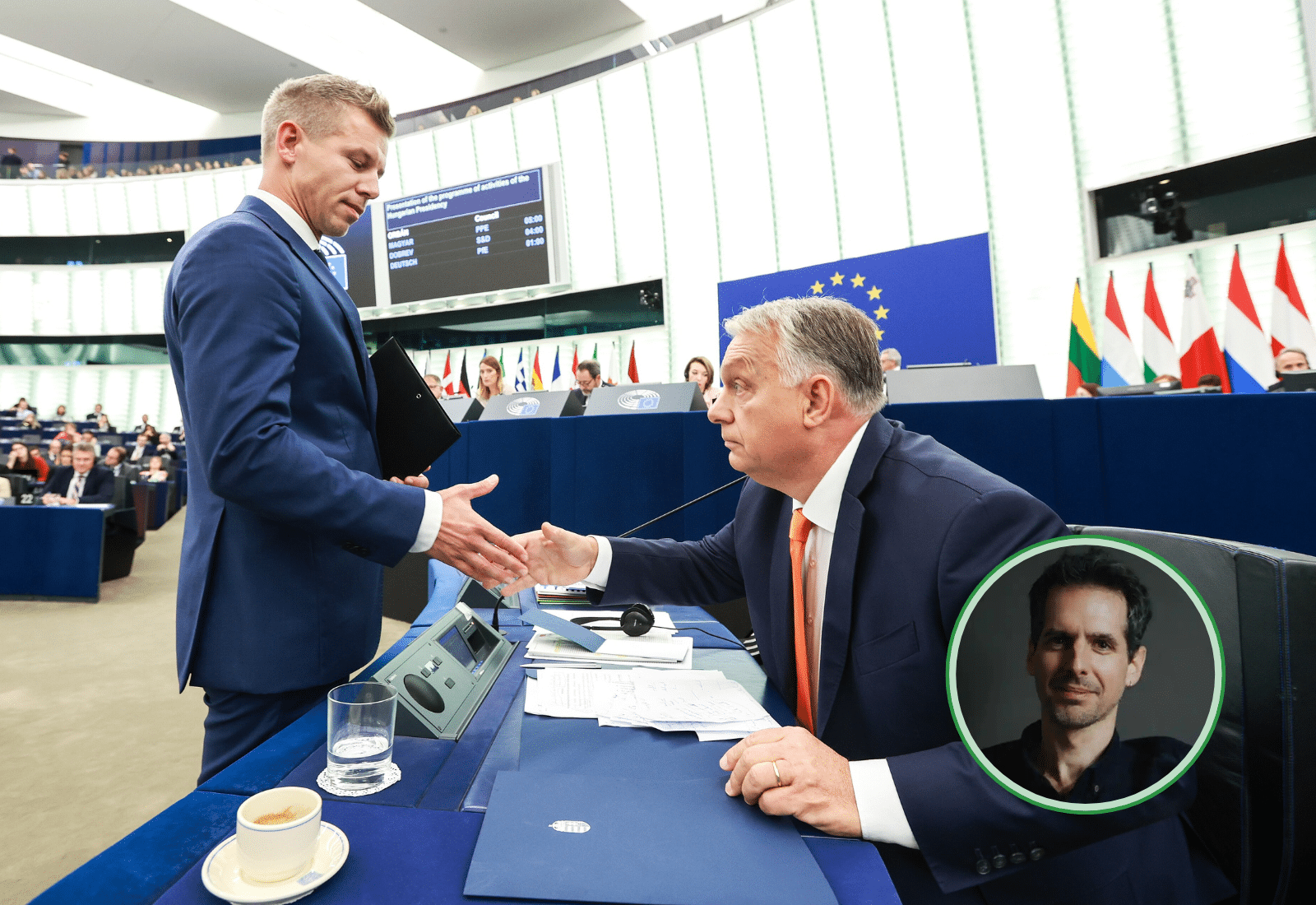
Fidesz on the Defensive: Sixteen Years of Dominance Under Threat
Hungary's April 2026 parliamentary election presents the first serious challenge to Viktor Orbán's sixteen-year rule. Péter Magyar's Tisza party, built on technocratic populism and a clean break from the discredited old opposition, leads Fidesz by roughly ten points among committed voters. This analysis examines the roots of Fidesz's vulnerability, the dynamics of a campaign dominated by economic grievances and a series of scandals, and the scenarios that could yet determine the outcome.
4.02.2026
News
Chile Chooses Between Extremes: Rightward Drift in a Reconfigured Party System
Chile’s presidential runoff pits a Communist former labour minister against a hard-right former congressman, signalling both a sharp rightward turn and the eclipse of the old political elites. The social outburst of 2019 and compulsory voting are opening up opportunities for outsider candidates while reshaping who is viable on left and right, pushing Chile’s party system towards more radical alternatives.
24.11.2025

News
From the Certainty of the Past to the Uncertainty of the Future: Argentina’s Midterms Elections
Argentina’s midterm elections tested not only the government’s ability to sustain its reform agenda but also citizens’ growing preference for results over ideology—a transformation increasingly visible across middle-income democracies.
5.11.2025

News
Cameroon’s 2025 Presidential Election: Confronting an Electoral System Designed to Defeat Democracy
Cameroon’s Constitutional Council has announced that it will declare the winner of the recent presidential election on October 27. As Cameroonians await the official results, some hope that President Paul Biya’s rule may come to an end. In her op-ed, Laura-Stella Enonchong explains why Cameroonian voters face an electoral system designed to undermine the democratic will of the people.
24.10.2025

News
Bolivia’s First Runoff: How the MAS’s Collapse Made It Possible
Bolivia will face its first-ever presidential runoff in October. Drawing on Santiago Anria’s recent article in the Journal of Democracy, this piece argues that the collapse of the Movement Toward Socialism (MAS) is a crucial factor behind this unprecedented scenario, alongside the country’s economic crisis and the reorganization of the right.
9.10.2025

Podcasts
The Aftermath of Poland’s Presidential Election – In Conversation with Maciej Kisilowski (Part 1)
In Part 1 of this podcast, Maciej Kisilowski examines the results of Poland’s presidential election as well as its implications for Poland’s political dynamics over the next few years. In particular, he addresses the issue of whether Polish liberals and progressives are capable of correctly identifying the prevailing sentiments in a deeply divided society.
6.08.2025

News
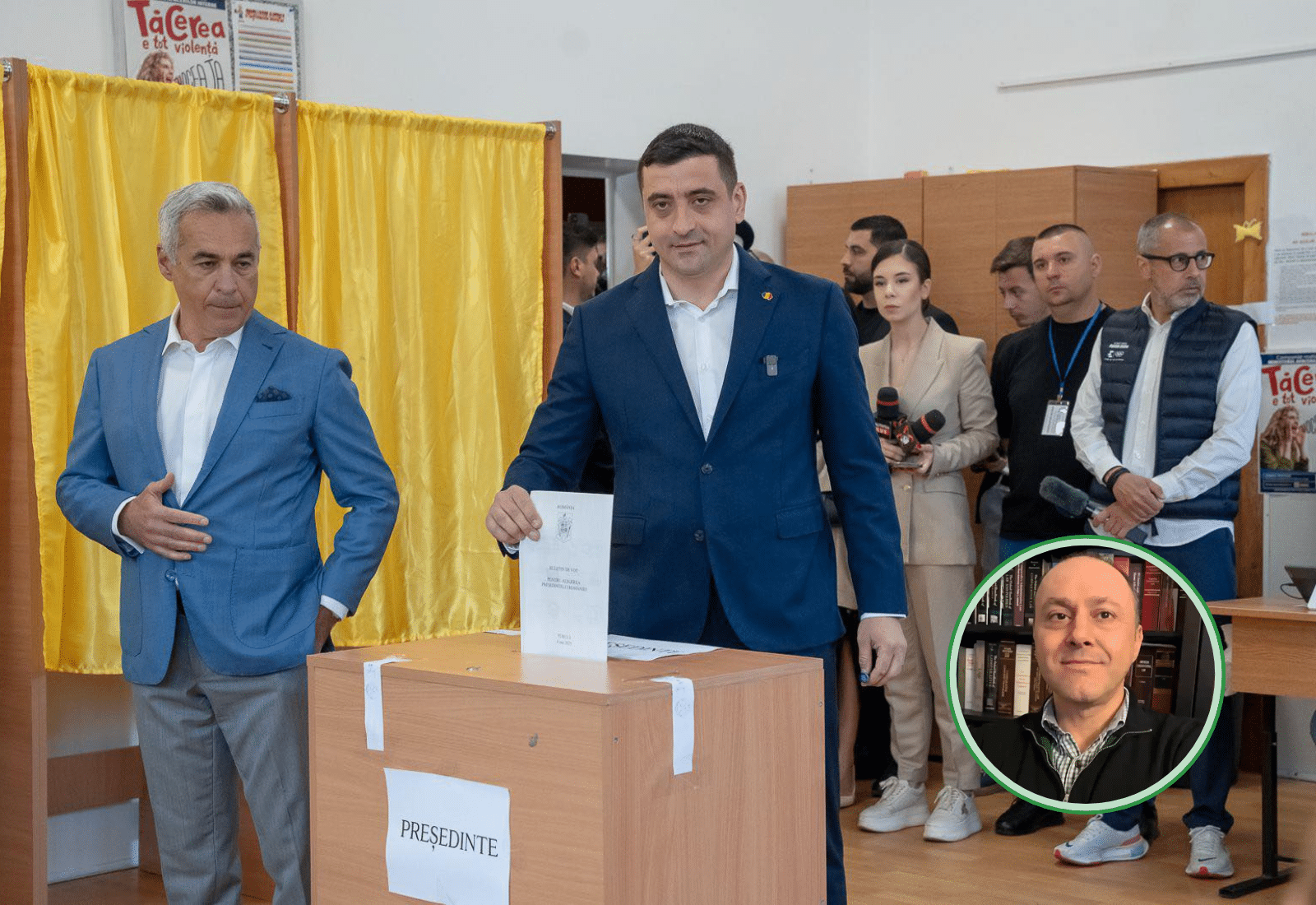
Constitutional Death Foretold? The Romanian Elections Saga in a Nutshell
Romania has been facing a political crisis marked by controversial court rulings, annulled elections, and the rise of far-right figures. Judicial overreach, social fragmentation, and foreign influence fueled public distrust, culminating in ultranationalist George Simion’s victory in the 2025 restaged presidential elections.
13.05.2025
News
Voting for Togo’s Personalist Dictatorship
In February, Togo became the first of 10 African states to hold (indirect) executive elections in 2025. February 5 also marked the 20th anniversary of the coup that brought Faure Gnassingbé to power. This article assesses the legacy of the 2005 coup and the failure of Togo’s democratization.
1.05.2025

News
‘Techno-Schmittianism’ in the North? The Canadian Federal Elections
On 28 April the Canadian Liberal party led by Mark Carney won the Canadian federal elections. The incumbent governing party has not won a majority of seats at the time of writing, with 155 ‘ridings’ (constituencies) secured compared to the Conservatives’ 133. The victory sealed a four-month turnaround in fortunes for the Liberals, following the resignation of former Prime Minister Justin Trudeau on 6 January.
29.04.2025

News
German Election Brings Some Relief but Huge Challenges Lie Ahead
After the dust settled on election day and the sun rose over the Hauptstadt one thing became abundantly clear: the outcome could have been far worse. The terror attacks in Solingen, Mannheim, Magdeburg, Aschaffenburg and Munich made asylum and immigration the top electoral issue, forcing the two governing left-wing parties (the SPD and Greens) to play defense, and compelling conservative leader Friedrich Merz to launch a law-and-order offensive focused on the securitization of borders. While the maneuver prevented the far-right Alternative for Germany (AfD) – which had been calling for similar measures since 2015 – from taking ownership of the issue, it also led Merz’s Christian Democrats (CDU) to pass a non-binding parliamentary resolution together with the far-right.
25.02.2025

News
The Mystic Candidate – Călin Georgescu’s Blend of Orthodox Faith, Mysticism, and Power
In this conversation at the Review of Democracy, Ionuț Biliuță discusses the connections between Orthodoxy and nationalism in Romania and to what extent they have influenced this year’s presidential elections; the revival of narratives concerning ‘fascist martyrs’ by Călin Georgescu and other radicals; the impact the 2018 Constitutional referendum on same-sex marriage had on radicalization; the ideas in transnational circulation that have inspired Georgescu's statements, including Alexander Dugin’s and those of Donald Trump’s Evangelical supporters; and the steps that the Romanian Orthodox Church could take to dissociate itself from far right discourses.
9.12.2024

News
The Rise of Călin Georgescu, Romania’s Neo-Legionary Presidential Candidate
Romania’s 2024 presidential race reveals again the troubling global rise of far-right populism. On December 8, Călin Georgescu, a pro-Kremlin independent candidate will compete with Elena Lasconi (USR- Save Romania Union). Yet, Georgescu’s rise did not come out of nowhere. As Adina Marincea demonstrates in this article, Călin Georgescu’s alarming advance reflects years of mobilizations by neo-legionary groups, Orthodox clergy, and Kremlin-aligned factions.
5.12.2024

Videos
Understanding Elections in Sri Lanka
How has the political landscape in Sri Lanka changed in recent years? What is the significance of the 2024 elections for Sri Lanka? What are some of the interpretations of the elections for democracy in the wider region of South Asia and the Global South? This panel of eminent scholars analyzed the different facets of the 2024 Elections, including possible opportunities and challenges for democracy in the region. It was hosted by the Review of Democracy (RevDem), the online journal of the CEU Democracy Institute (CEU DI), in collaboration with the Social Scientists’ Association in Sri Lanka. Panelists: Moderator:
25.11.2024

Podcasts
The U.S. Elections with Levente Littvay
Join hosts Erin K. Jenne and Letitia Roman as they sit down with political scientist Levente Littvay to discuss the 2024 U.S. presidential election. Together, they explore why Donald Trump remains a prominent GOP candidate despite numerous legal challenges, how polarization and populism intertwine, and the role of conspiracy theories in today’s political climate. They also examine parallels between U.S. and European populism and the future of both major parties. Tune in for a deep dive into the complex dynamics shaping this year's election.
4.11.2024

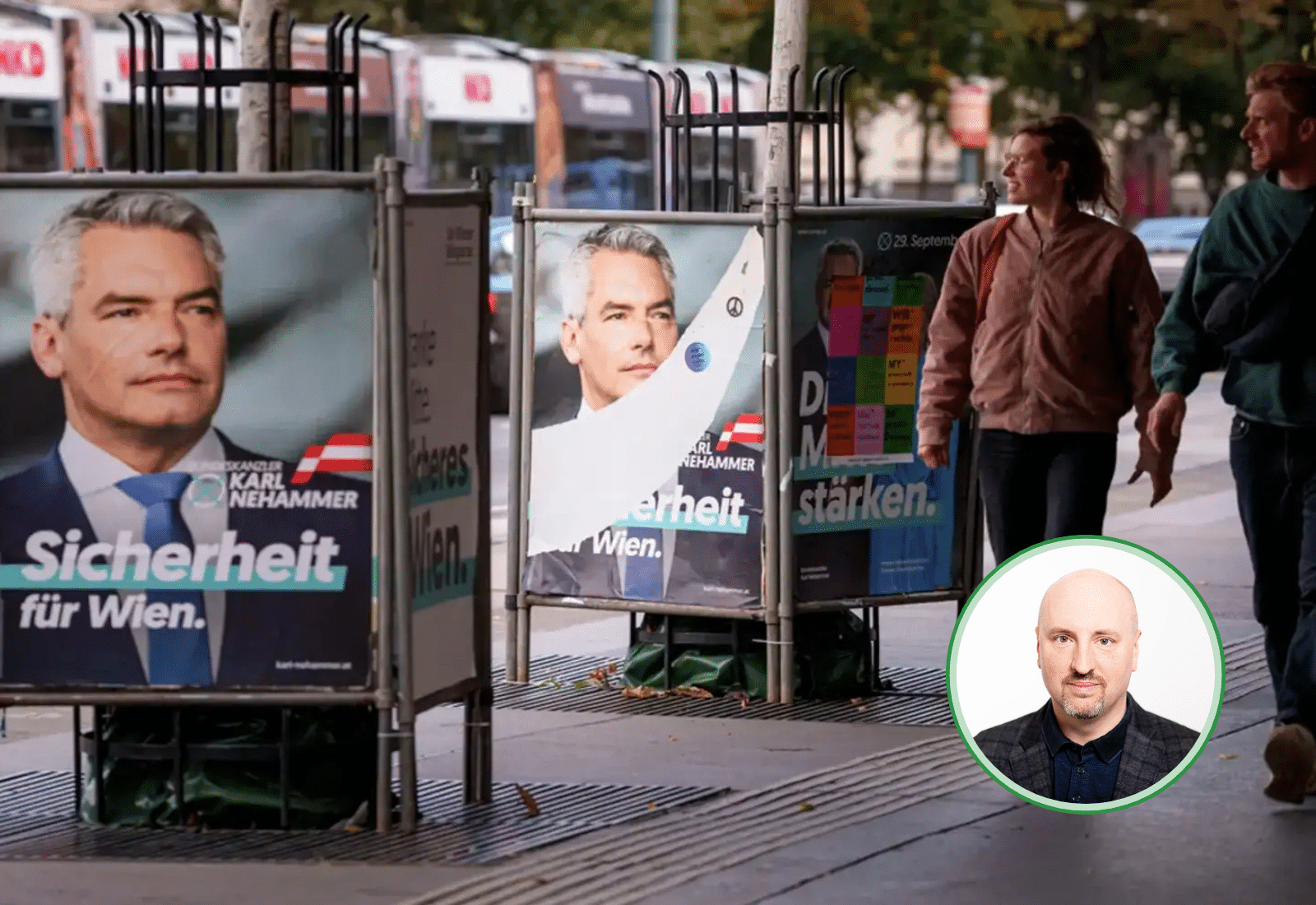
The Radical Right Has Won the Election in Austria, But A Centrist Coalition Will Govern
The far-right FPÖ has won the 2024 general election in Austria but is highly likely to remain locked out of government. With all other parties having ruled out working with the current FPÖ leader, the most likely outcome of the government formation talks is a three-party government – the first to be formed since 1945 – led by the incumbent chancellor Karl Nehammer.
29.10.2024
Democracy at Stake: Future Scenarios after Georgia’s Landmark Elections
On October 26, Georgia's parliamentary elections will serve as a referendum on its future, out of which three main scenarios emerge. In the first, the ruling Georgian Dream (GD) party wins, consolidates authoritarian rule, and aligns with Russia. A second scenario sees the opposition winning, potentially restoring democracy and accelerating EU integration. However, the most likely scenario involves contested results, which could trigger public unrest, violent clashes, and even Russian intervention. This critical election will most likely determine whether Georgia embraces European-style democracy or solidifies authoritarianism, risking further isolation from Western allies.
23.10.2024

Videos
What’s at Stake? Debating the Impact of the European Elections
This special expert panel, co-organized by the CEU Democracy Institute, Political Capital Institute and Review of Democracy, discussed the likely impact of this year’s European Parliament elections with focusing on the following questions: What was most surprising and what might prove most consequential about the results? Are there new regional divisions and, if so, how might we account for their emergence? What is currently at stake and what is likely to unfold in the near future? Speakers: László Bruszt – Director, CEU Democracy Institute Péter Krekó – Director, Political Capital Institute/Research Affiliate, CEU DI Thu Nguyen – Deputy Director, Jacques Delors Center Claudio Radaelli – Professor, European University Institute Moderator: Flóra Garamvölgyi – Investigative reporter
1.07.2024

To Survive the EU Needs Its Own Political Space – Unpacking the Democratic Implications of the 2024 EU Elections
As the dust settles over the EU elections, it is worth taking a step back to fully grasp the democratic meaning of these elections – the 10th ever organized at the pan-EU level. Over the past week, approximately 50% of EU citizens took the time to vote in the EU elections, thus matching the record-high turn-out of the previous 2019 elections. These 180 million eligible voters voted on different dates between June 6 and 9, for national – not European – political parties and for national – not European – candidates who ran on national – not European – programs. So much for ‘European’ politics. After over 70 years of unprecedented socio-economic integration, the Union lacks an EU-wide electoral competition capable of fostering a genuine transnational space of debate and dialogue – both within institutions and outside them – where citizens can understand, influence and participate in decision-making affecting their common interests as Europeans.
13.06.2024

Videos
Where Is Brazil Headed? – The Future of Democracy in Brazil After the Presidential Elections
On October 2, Brazilian voters headed to the polls to choose the successor of incumbent President Jair Bolsonaro in the first round of nationwide elections. Bolsonaro’s term was defined by the rise of illiberal democracy, hostile identity politics, and a string of controversial economic, social and environmental policy measures. The campaign has been marred by violence, rhetorical attacks on the judiciary and journalists, and threats of a pro-Bolsonaro coup in case of a victory of the opposition led by former President Lula da Silva who promised to break with this authoritarian legacy and has built alliances that suggest a government of compromise. Our panelists provided reflections on the results and offered insights on the prospects for the future of democracy in Brazil. Speakers: Claudio Goncalves Couto, Adjunct Professor, Department of Public Management, FGV EAESP Juliana Cesario Alvim Gomes, Visiting Professor, CEU Department of Legal Studies; Human Rights Professor, [...]
27.10.2022

“In a way, the Turkish opposition is a huge success” Murat Somer on the political situation in Turkey
Recep Tayyip Erdoğan has dominated Turkish Politics since 2002, but now the country finds itself in a massive economic crisis and the president has never been this unpopular. With elections to be held within a year, the long-oppressed opposition is therefore eyeing a historic opportunity to get rid of Erdoğan and his increasingly authoritarian regime. But what is the state of the Turkish opposition, and are they ready to seize the moment? Kasper Ly Netterstrøm talked about it with Professor Murat Somer from Koç University in Istanbul.
11.07.2022

Videos
Ukraine’s Integration and Reconstruction: How To Prepare the EU?
The EU membership of Ukraine will be one of the key issues of the post-war settlement. What are the challenges of the reconstruction and the European integration of Ukraine? What does it require from the EU? What lessons could be taken from the strengths and weaknesses of the Eastern Enlargement of the EU, or from the previous attempts at integration in the Western Balkans and in the pre-war EU policies of integrating Ukraine? Speakers: Laszlo Bruszt, Co-Director, CEU Democracy Institute; Professor, CEU Department of Political Science Andrius Kubilius, Member of the European Parliament; former Prime Minister of Lithuania Tymofiy Mylovanov, President, Kyiv School of Economics Milada Vachudova, Professor of Political Science, University of North Carolina at Chapel Hill Moderator: Iskra Kirova, Senior Policy Analyst, Open Society European Policy Institute
24.05.2022

Videos
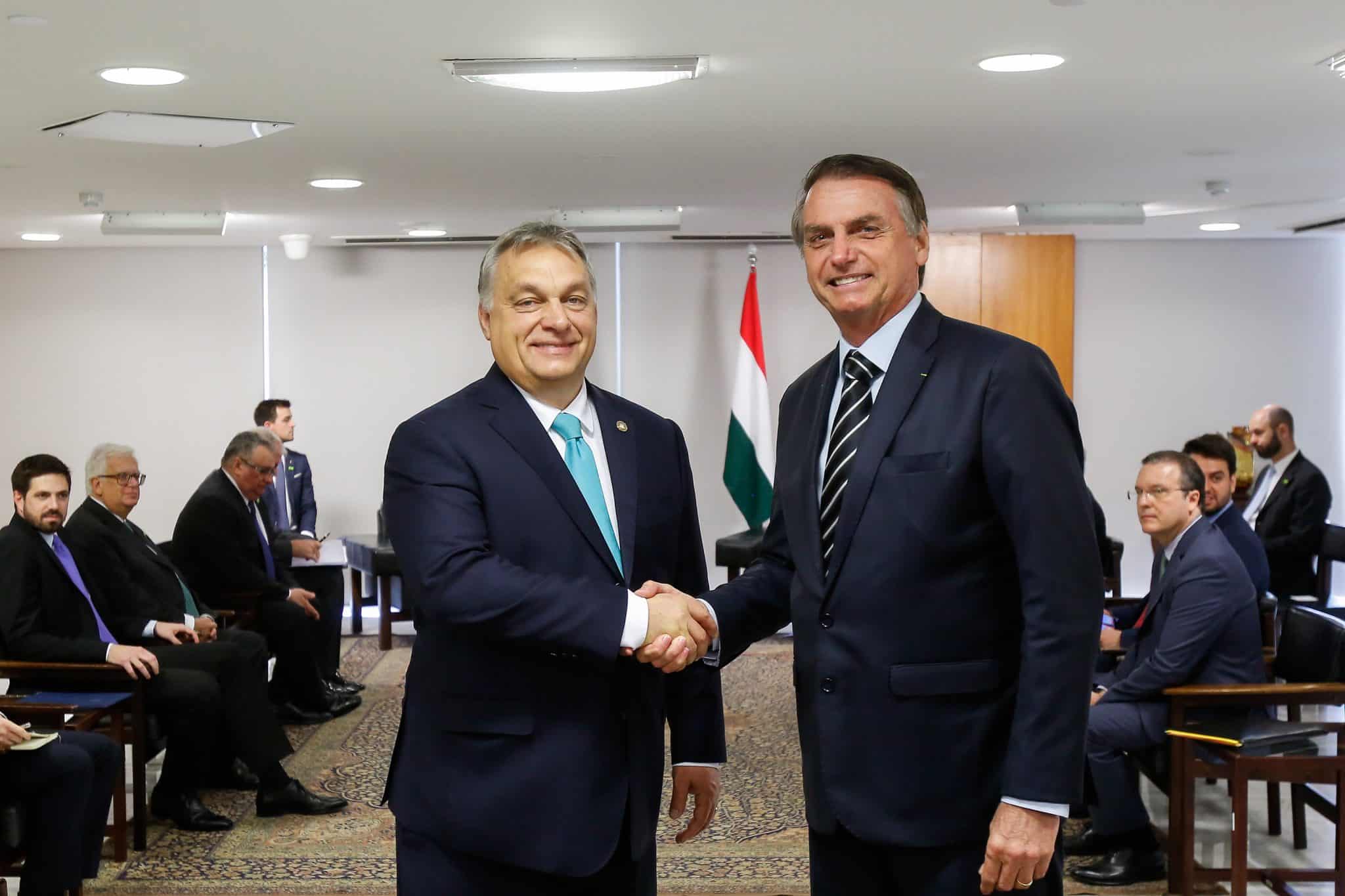
Illiberal Democrats Go Global: Bolsonaro Visits Orban Before 2022 Election
Just a few weeks before April national elections in Hungary, Jair Bolsonaro comes to Budapest to meet Viktor Orbán on February 17. After this illiberal tour, which includes a visit to Vladimir Putin, Bolsonaro himself is to face Brazilian voters in October 2022. In preparation, the CEU Democracy Institute and its Review of Democracy convened a panel discussion with multiple disciplinary perspectives on Bolsonarism. In light of the challenges faced by democracy in Brazil, experts addressed issues like the impact of authoritarian international law on the globalization of illiberal democracy, the illiberal war on human rights and gender equality, modes of constitutional erosion, and the support for charismatic leadership among low-income voters in illiberal and authoritarian settings. Panelists:Emilio Peluso Neder Meyer, Associate Professor of Constitutional Law, Federal University of Minas Gerais, Brazil Thiago de Souza Amparo, Professor, Getulio Vargas Foundation Law School and [...]
14.02.2022
Three narratives about the Qatari elections
Máté Szalai considers the three key narratives that observers and analysts use when discussing the historic elections held in Qatar this October. The first narrative highlights the elections as a vital milestone in the slow process of democratization, the second noted the importance of identity politics and voting rights, and the final narrative opined that the elections were a PR stunt to bolster Qatar’s public image.
3.12.2021

