#Hungary
Podcasts
The Battle for the Future of Democracy Begins in the Archive. A Conversation with István Rév
The panel Rethinking CEU’s Legacy: Education, Engagement, and Democratic Transformations, reflected on the thirty-five years of CEU’s role in democratic change across Central and Eastern Europe. Scholars from different generations formed within the CEU’s framework revisited the principal moments of this history. Within this panel, Prof. István Rév discussed the beginnings of the CEU.
16.07.2026
Book Reviews
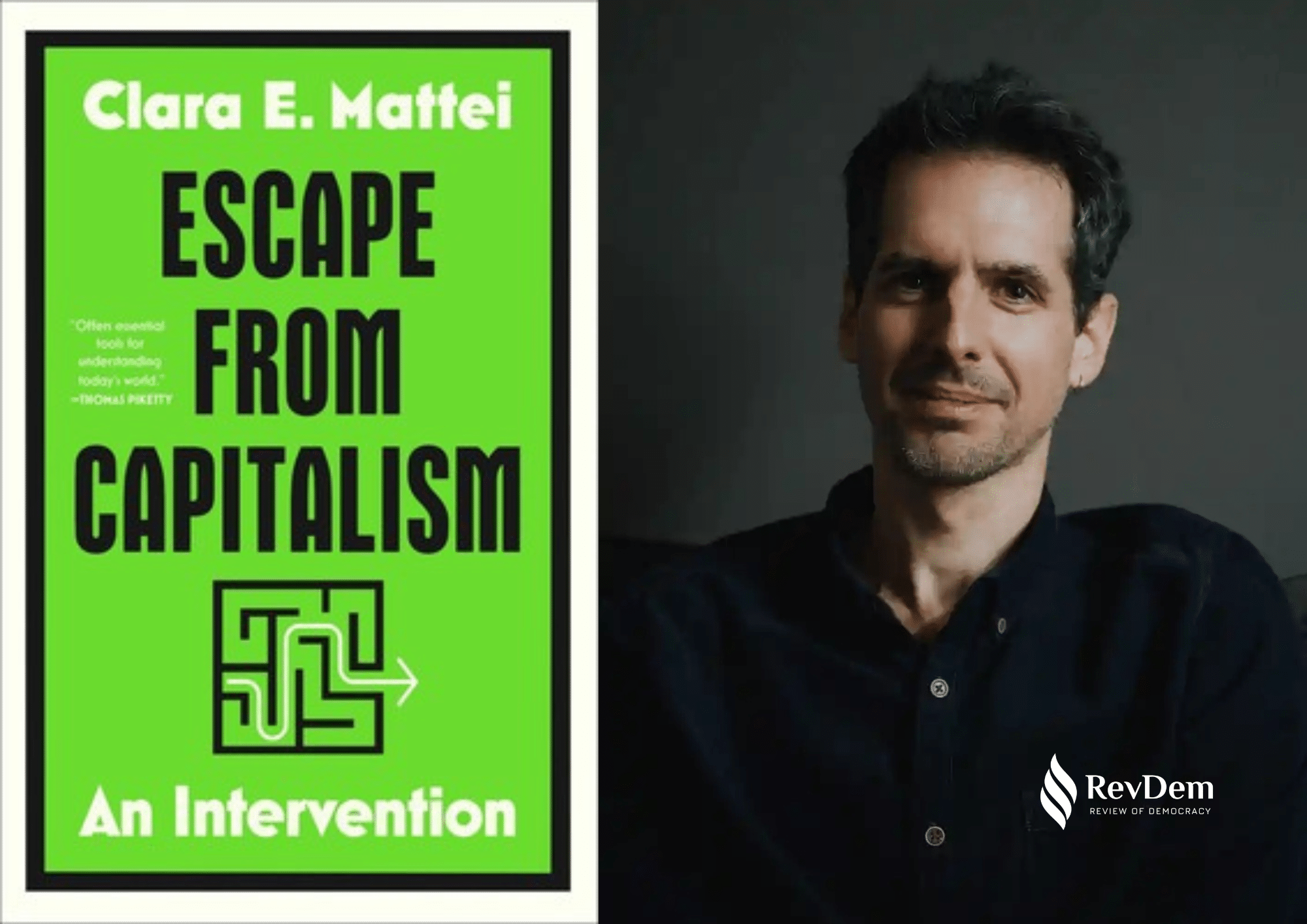
Who Governs After the Experts? Reading Clara Mattei’s Escape from Capitalism
In Washington, the president has spent the winter browbeating the Federal Reserve: demanding rate cuts by decree, musing aloud about removing its chair, treating monetary policy as a personal prerogative. In Ankara, Recep Tayyip Erdoğan spent the better part of a decade wresting monetary policy from his own central bankers, until a currency crisis forced him to hand it back to the orthodox technocrats he had spent years denouncing. The complaint that unelected experts hold too much unaccountable power over the economy, that a technocratic caste has placed the most consequential decisions beyond the reach of ordinary people, is in our moment voiced most loudly not on the left but on the authoritarian right.
14.07.2026
News
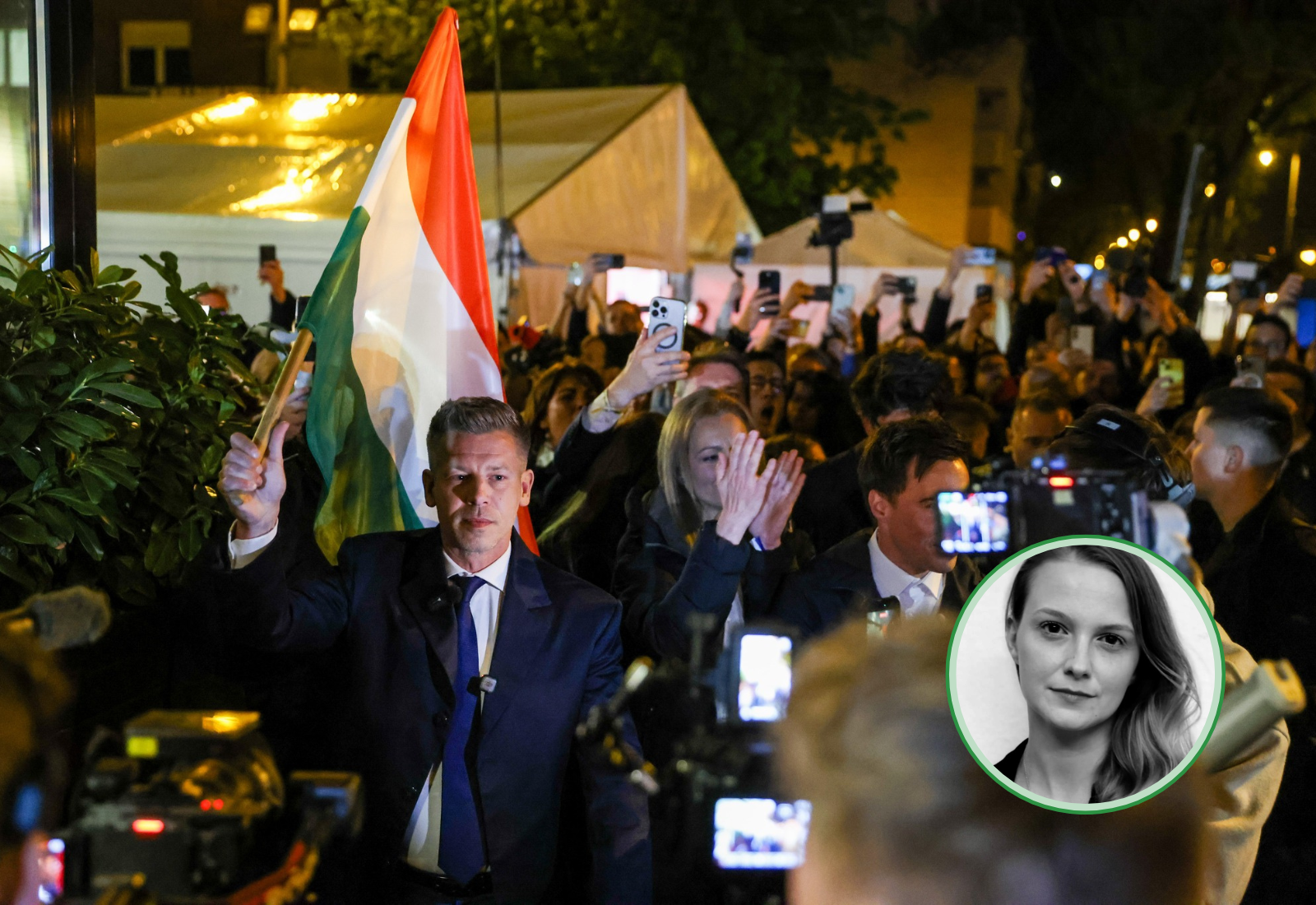
The Limits of Electoral Autocracy: Lessons from Orbán’s Fall
After 16 years in power, Viktor Orbán’s Fidesz was defeated within the very electoral system it had engineered to entrench its rule. Hungary’s 2026 election shows that electoral autocracies can be more vulnerable than they appear. They can be defeated when democratic opposition forces adapt strategically, coordinate across sectors, and are ready and able to capitalize on moments of declining regime legitimacy.
30.04.2026
News
Pride Hungary: Orbán’s Culture War Escalates Ahead of 2026 Election
June is designated as Pride Month in many countries, but Orbán’s Hungary has essentially banned Pride events, masking democratic backsliding behind culture wars. Damien Le-Hoste unpacks the political theatre fueling authoritarian tactics ahead of a crucial 2026 election.
3.06.2025

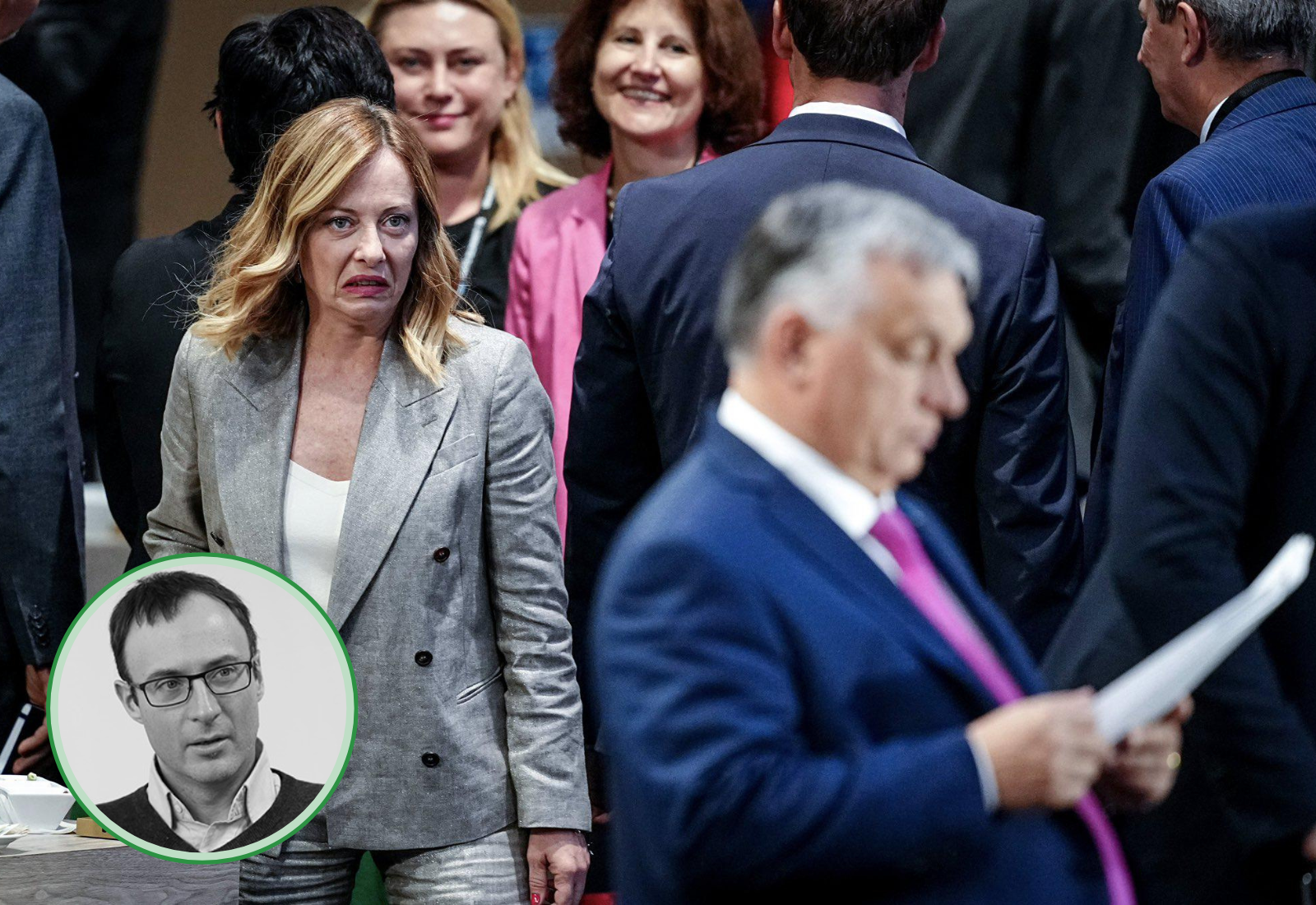
Two Paths to Power – What Unites Giorgia Meloni and Viktor Orbán? What Separates Them?
Meloni and Orbán are often treated as closely comparable political actors. However, their trajectories are widely divergent, and this is reflected in their respective understanding of both domestic political action and international alliances.
2.08.2024
The European Union’s Hungary Problem
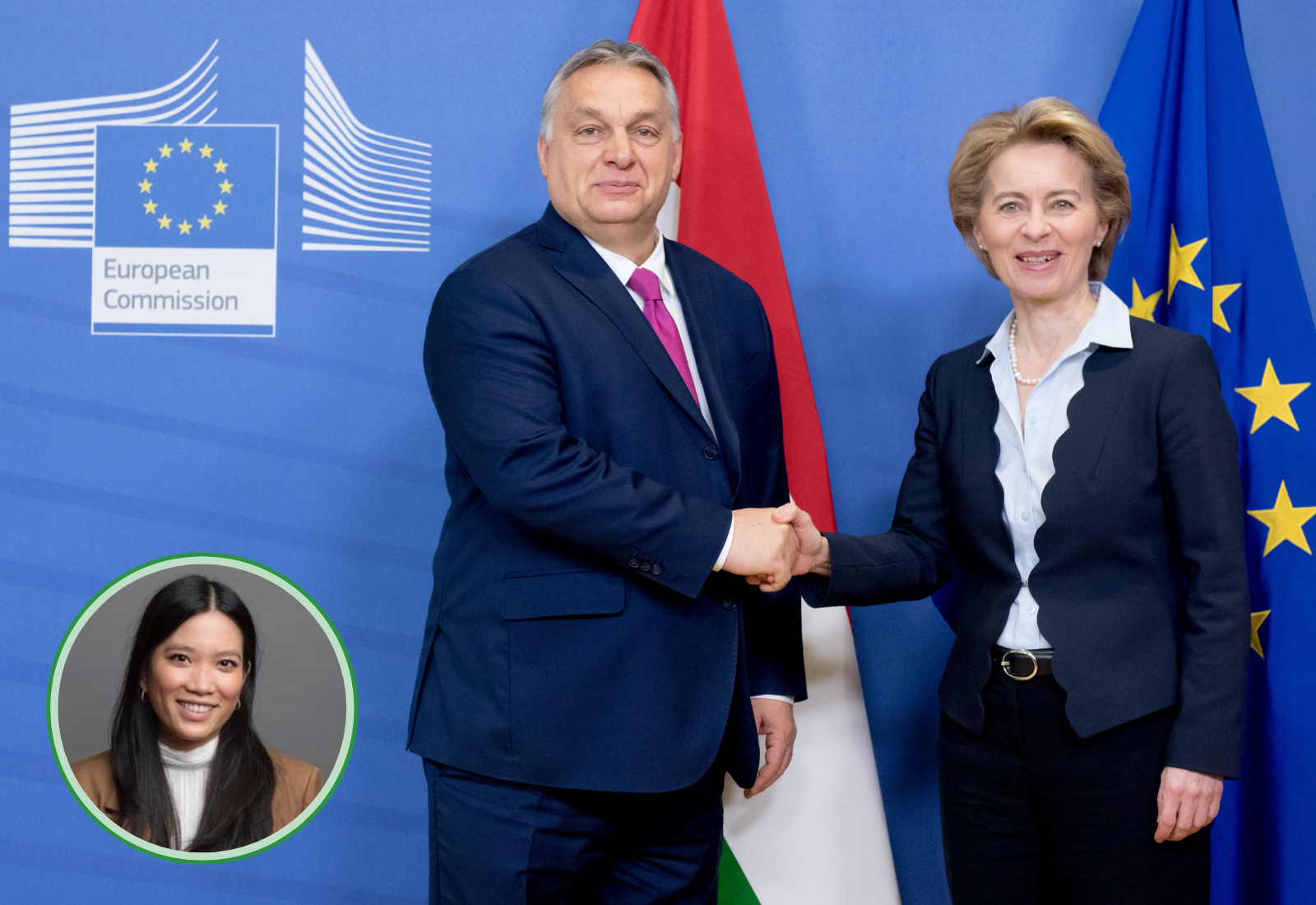
On July 1, 2024, Hungary will take over the rotating presidency of the Council of the European Union. The fact that a country with serious rule of law deficits will preside over one of the EU’s most important institutions for six months raises concerns. In a resolution in June 2023, the European Parliament questioned the extent to which Hungary could “credibly perform this task” and called on the European Council to “find an appropriate solution”—presumably by revoking Hungary’s presidency. (The European Council is the body of the 27 EU leaders; the Council of the European Union, informally also known as “the council,” is composed of the national ministers of all the member states; only the latter negotiates legislature, mostly with the European Parliament, and adopts it.)
1.07.2024
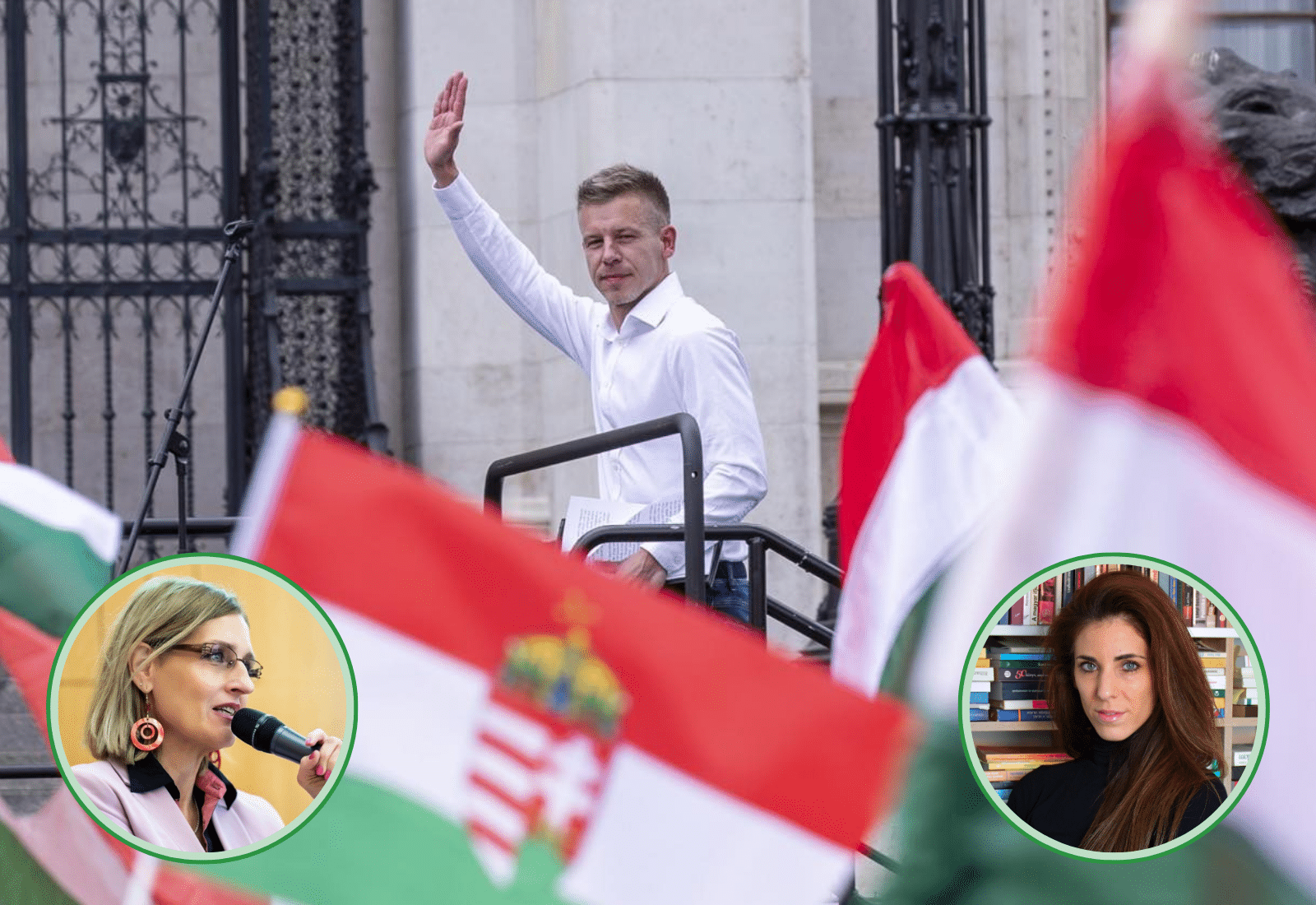
The Péter Magyar Phenomenon
Veni, Vidi, Vici? We do not know yet. However, Hungarian public discourse in the past few months has revolved around the so-called “Péter Magyar Phenomenon.” Andrea Szabó and Annamária Sebestyén (HUN-REN Center for Social Sciences, Institute for Political Science) share their insights into the reasons behind Péter Magyar's success from a perspective that has so far been neglected: how a deepening political vacuum has fostered collective longings.
5.06.2024