Illiberalism
News
All At Once – Coping with Positive Shock in Hungary
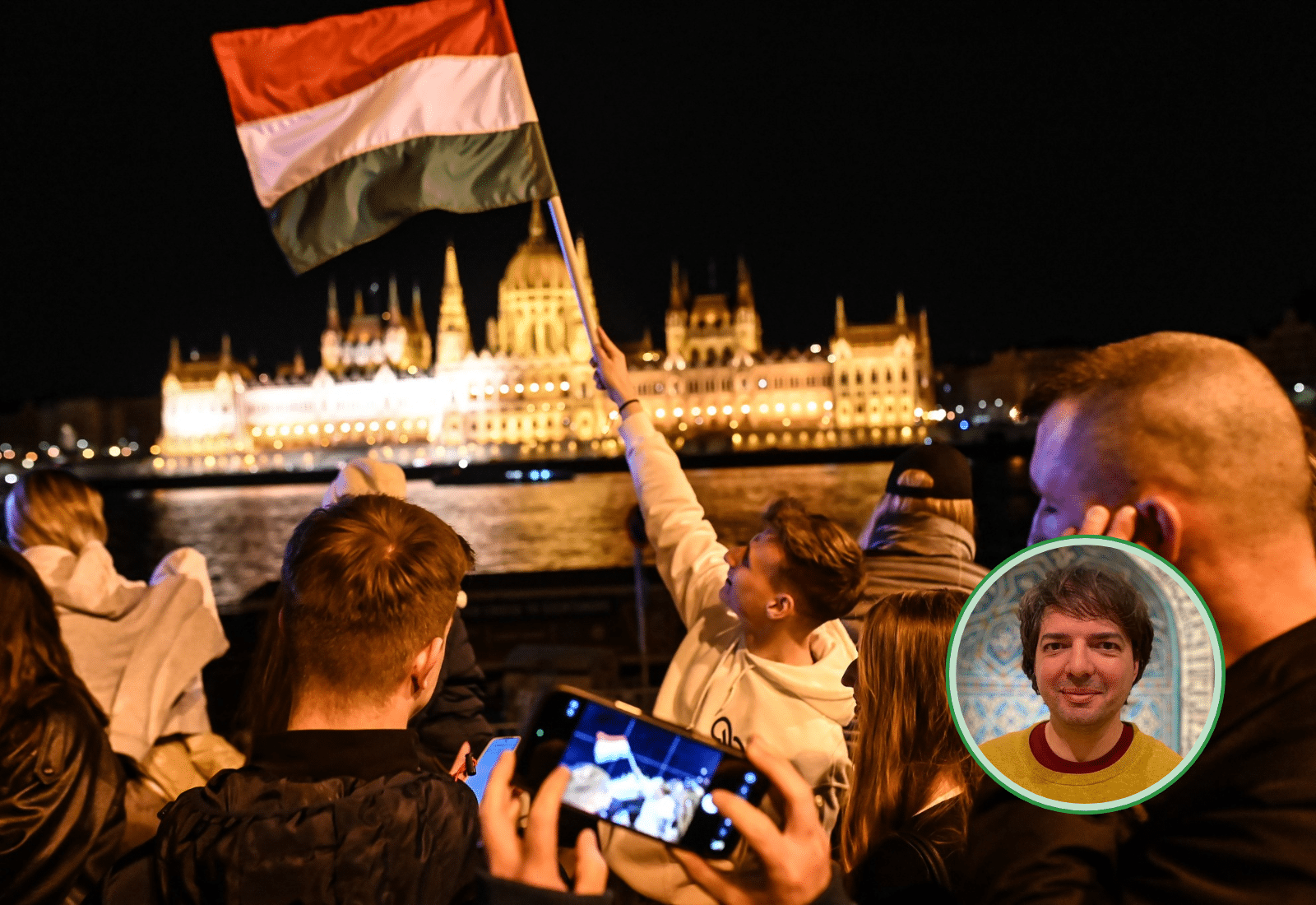
Bucking wider trends once again, Hungarian voters ousted a seemingly entrenched quasi-party state on Sunday. The resounding defeat of the first proudly illiberal regime within the enlarged West forces us to revise entrenched wisdoms about the System of National Cooperation and its leader. The unhoped-for supermajority for Tisza also shows the country’s political culture and historical trajectory in a new light. Ferenc Laczó reflects on the meaning of the Hungarian elections.
14.04.2026
News
Flexible Illiberalism: How Democracy Survives Illiberally in Southeast Asia
Southeast Asia shows how democracy’s openness can be weaponized. Flexible illiberalism—the art of using democratic institutions to pursue illiberal ends—reveals how democracy endures not by collapsing, but by changing hands.
4.11.2025
Podcasts
The Illiberal Trap: Stanley Bill and Ben Stanley on Trilemmas and Warnings from Poland
In this new episode of our special series produced in partnership with the Journal of Democracy, Stanley Bill and Ben Stanley draw on their new article “Democracy After Illiberalism: A Warning from Poland” (July 2025, Vol. 26, No. 3) to discuss the challenges, dilemmas, and paradoxes of liberalism after illiberalism in Poland. They reflect on the concepts of liberalism and illiberalism to dissect the approach Donald Tusk’s current government has taken and its major consquences. They also consider the wider lessons that may be drawn from recent and ongoing Polish experiences.
1.09.2025

Podcasts
Illiberal Transatlantic Ties and the Reshaping of Democracy: Lessons From the US and Hungary
In this episode of the Democracy After 2024 series, Zsuzsanna Végh and Daniel Hegedűs examine transatlantic cooperation between state and non-state actors in the United States and Hungary. They analyze commonalities in narratives and shared practices, assessing their impact on democracy in Central and Eastern Europe and beyond. Disclaimer: The views and opinions expressed in this episode are solely those of the speakers and do not necessarily reflect the positions of the German Marshall Fund of the United States or any institutions or organizations with which they are affiliated. Zsuzsanna Végh is a program officer at the German Marshall Fund of the United States and an associate researcher at the European Council on Foreign Relations. Her analytical focus is on the populist radical right in Central and Eastern Europe, its impact on foreign policy and democratic quality, and the foreign and EU policies of the Visegrád countries. Daniel Hegedüs is a German Marshall Fund of the [...]
16.04.2025

Podcasts
Liberal Democratic Standards Are Not Just an Opinion – Karolina Wigura on Polish Politics, Liberal Emotions, and Her Major Concerns
In the latest episode of our Democracy After 2024 series, Karolina Wigura discusses Poland’s current role in Europe and the changing polarization between liberal and illiberal forces; analyzes the role of emotions in contemporary liberal politics; reflects on how we distinguish between agendas of accountability, on the one hand, and of retribution and revenge, on the other; and explains what she will watch particularly closely in the coming months.
12.03.2025

News
What Can Illiberal Disruptions Tell Us About a More Democratic Future?
With the shocking beginnings of Donald Trump’s second term, many suspect we may be nearing a tipping point in the global history of democracy. Numerous democracies have indeed been eroding, and the process appears to be accelerating these days. However, despite continuous setbacks over the past two decades, only a few formerly democratic regimes have openly embraced autocratic rule until now.
27.02.2025

Playing Hardball: Political-Ethical Challenges of Illiberal Regimes
In this conversation with Kasia Krzyżanowska, Zoltán Gábor Szűcs discusses his newest book Political ethics in illiberal regimes. A realist interpretation.
17.04.2023

Book Reviews
Review: “Gender and Illiberalism in Post-Communist Europe”, Matthijs Bogaards and Andrea Pető (eds.), Politics and Governance, Cogitatio 2022
Ivan Tranfi reviews the recent special issue on gender and illiberalism edited by Matthijs Bogaards and Andrea Pető, experts in de-democratization and gender studies from Central European University.
17.02.2023

Marlene Laruelle: Russian society is very different from its regime
Andrea Pető in conversation with Marlene Laruelle about illiberalism studies, whether Russia is fascist, the nature of Russia’s illiberalism, as well as its conservative softpower.
21.02.2022

